2026 Tire Emissions Research Conference Speakers
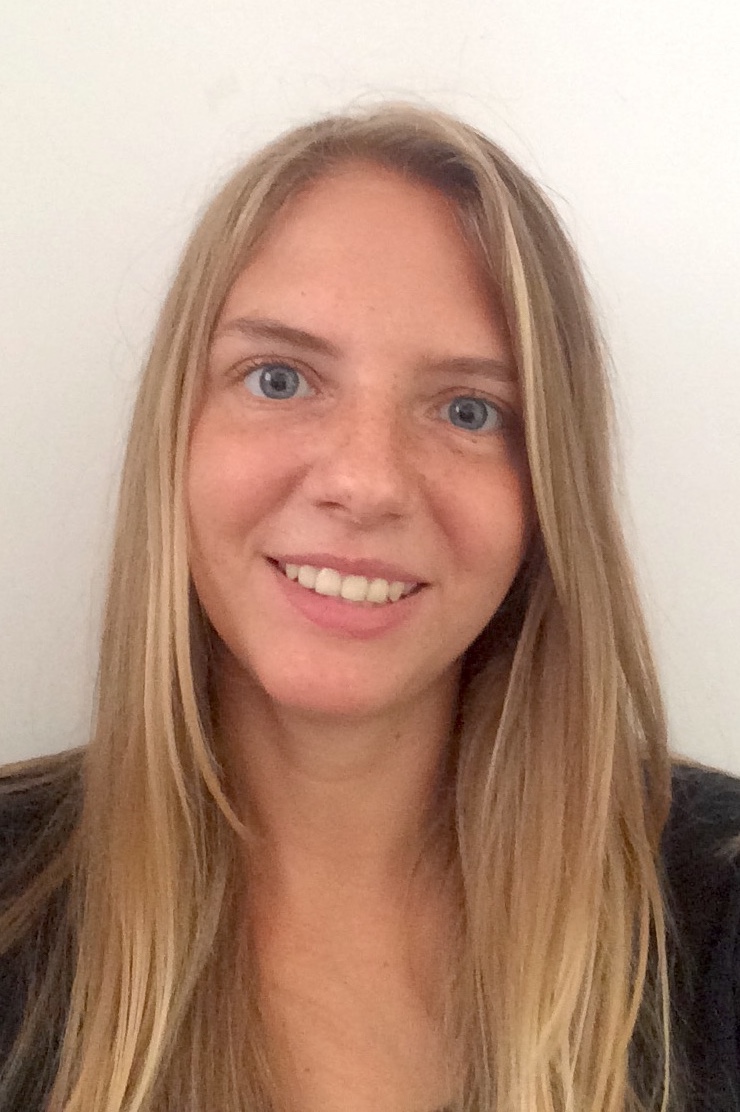
Natascha Schmidt
NILUDr. Natascha Schmidt is a senior scientist at NILU in Tromsø, Norway. She studied ecology at Ulm University in Germany, followed by a master in marine ecology at the Aix-Marseille University in Southern France, where she also did her PhD in environmental chemistry. During this time she worked on the occurrence, transport and fate of microplastics and associated organic contaminants in the marine environment. After a postdoc at the Mediterranean Institute of Oceanography within the JPI Oceans ANDROMEDA project, Dr. Schmidt joined NILU in 2023.
Dr. Schmidt now has a decade of experience in microplastic research, with a current focus on atmospheric measurements. She is also focused on understanding the dynamics of tire wear particles and associated organic contaminants in the environment. Disseminating scientific knowledge to the public, stakeholders and governmental representatives and among the scientific community is one of her priorities.
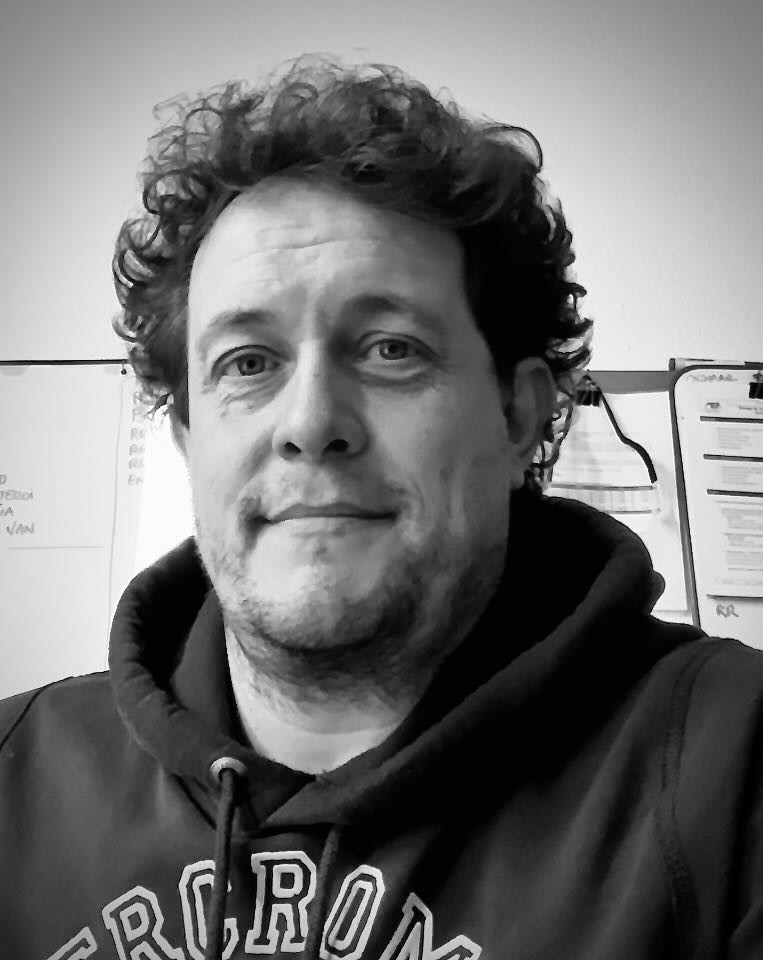
Boris Eyheraguibel
University Clermont AuvergneBoris Eyheraguibel is a researcher at the Institute of Chemistry of Clermont-Ferrand, University Clermont Auvergne. He holds a Ph.D. in Environmental Sciences and his research focuses on the environmental fate and biodegradation of plastic and associated contaminants in natural ecosystems. His work combines laboratory and field studies using analytical chemistry, microbiology and molecular biology to understand polymers transformation, release of additives and microbial degradation processes. He’s investigating the biodegradation of elastomer and tire and road wear particles since 2020.
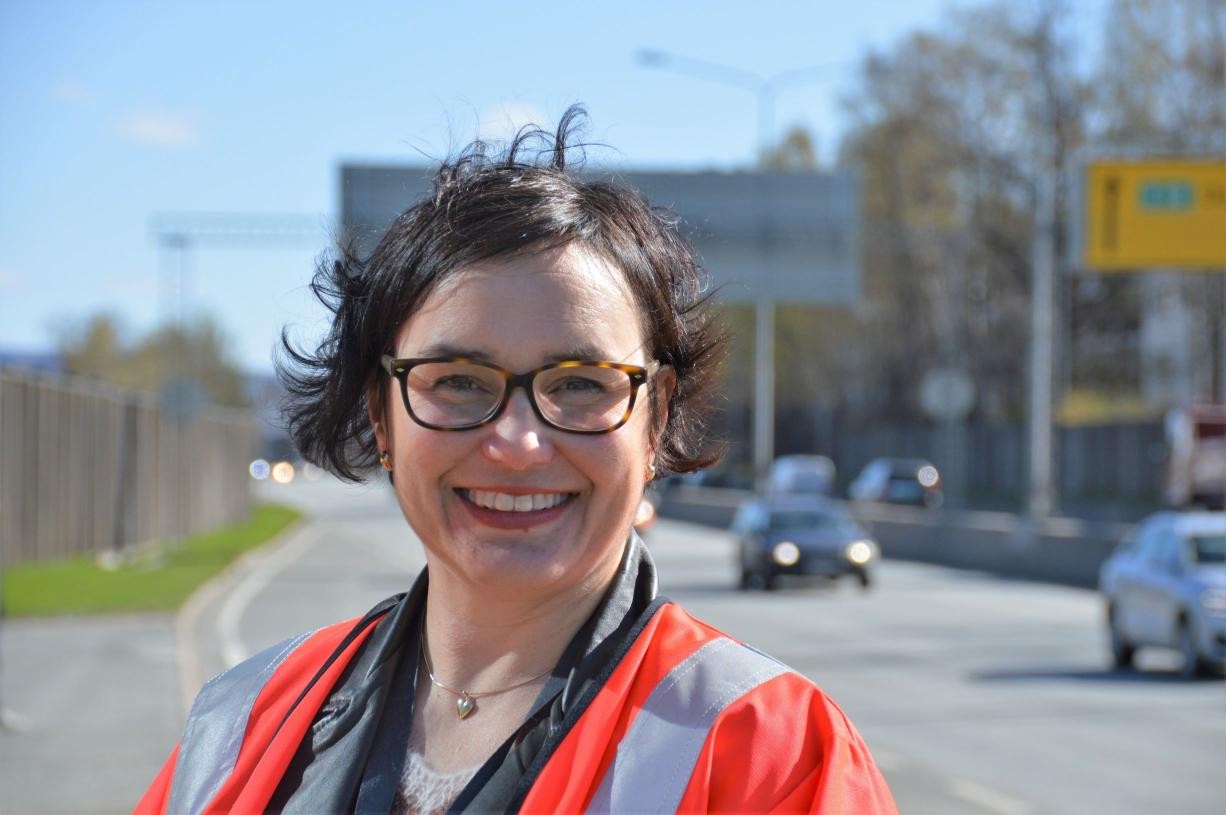
Nina Mari Jørgensen
Norwegian Public Roads Administration, Transport and SocietyNina Mari Jørgensen is a Chief Engineer at the Norwegian Public Roads Administration and an environmental scientist with more than 25 years of experience in environmental governance, sustainability, project leadership and public administration. With a background in marine biology, she works at the science-policy-practice interface, translating scientific knowledge into practical implementation, policy development and decision-making.
She has authored and contributed to peer-reviewed publications, technical reports, environmental assessments, and monitoring and research programmes on marine ecology, habitat mapping, ecosystem management and the impacts of human activities on natural ecosystems. She also has substantial experience in international environmental cooperation, including through the Arctic Council. She now works on sustainability and environmental governance in the transport sector.
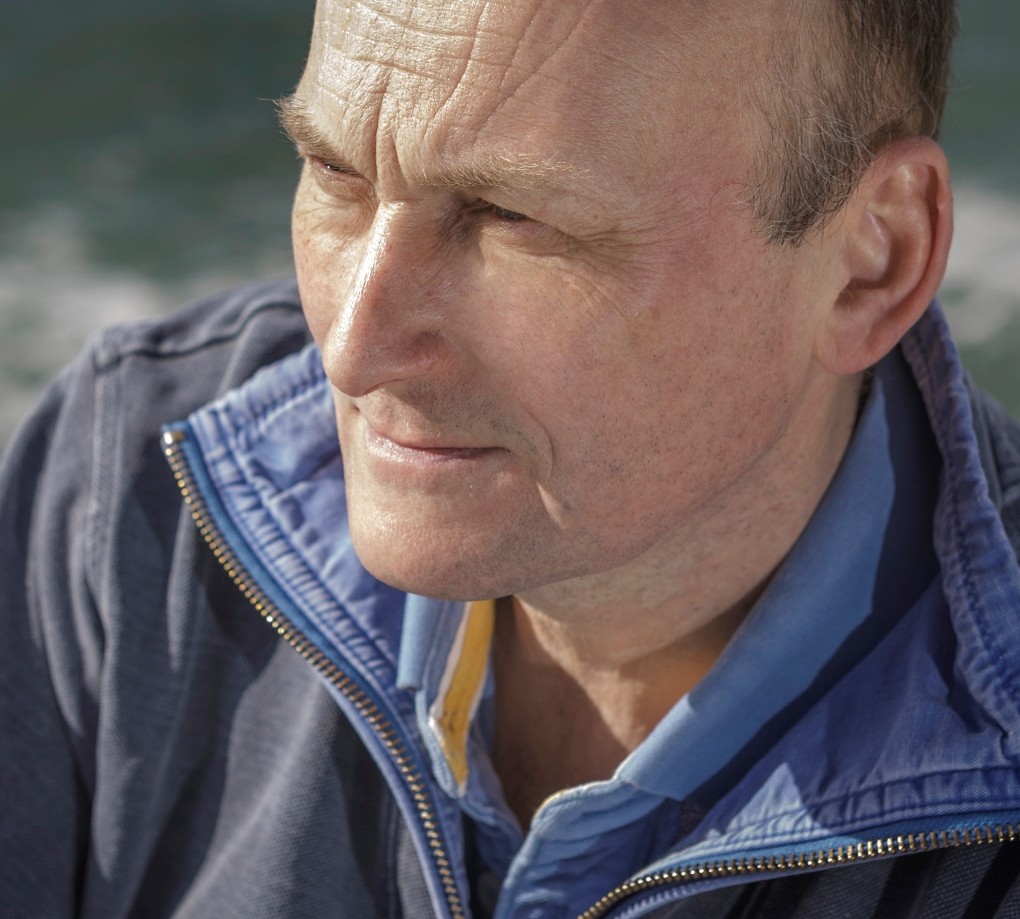
Richard Thompson OBE FRS
International Marine Litter Research Unit University of Plymouth Learn More
Richard Thompson OBE FRS
International Marine Litter Research Unit University of PlymouthRichard Thompson OBE FRS is Professor of Marine Biology at the University of Plymouth. He is a world expert on plastic pollution. In 2004 he published the first paper using the term microplastics to describe the environmental accumulation of microscopic fragments of plastic. His team are at the forefront of research on plastic pollution: its distribution, impacts and solutions. Their work has directly informed policies and was recognised by a Queens Anniversary Prize in 2020. He is a founder member and co-coordinator of the Scientists Coalition for an Effective Plastics Treaty; a group of over 400 scientists across 63 countries. Members of the Coalition are free of conflicts of interest with Treaty outcomes and work voluntarily to help supply negotiators with the best available evidence via bilateral workshops, policy briefs and commentaries.
Siriel Saladin
University of CambridgeSiriel Saladin is a researcher in Aerosol Science at the University of Cambridge. His research focuses on the investigation of airborne tyre emissions, combining aerosol science, laboratory experiments, and analytical chemistry to study tyre microparticles and nanoparticles. His work investigates the formation, abundance, and physicochemical properties of tyre-derived particles and how these influence their potential impacts on air quality and human health. His research aims to strengthen the scientific evidence needed to assess the health relevance of airborne tyre particles relative to other non-exhaust traffic emissions.
Thomas D. Collin
ERMThomas Collin is an Environmental Engineer with expertise in water management and treatment. He is committed to applying innovative approaches to address complex environmental challenges. Thomas began his career at Thames Water Utilities in the United Kingdom, where he completed an Engineering Doctorate focused on the sustainable management of organic wastes. He subsequently joined Isle Utilities, where he worked with clients to advance innovation and improve existing practices. His experience spans collaborations with water utilities, financial institutions, and industrial clients addressing a broad range of water-related challenges.
Luca Muth
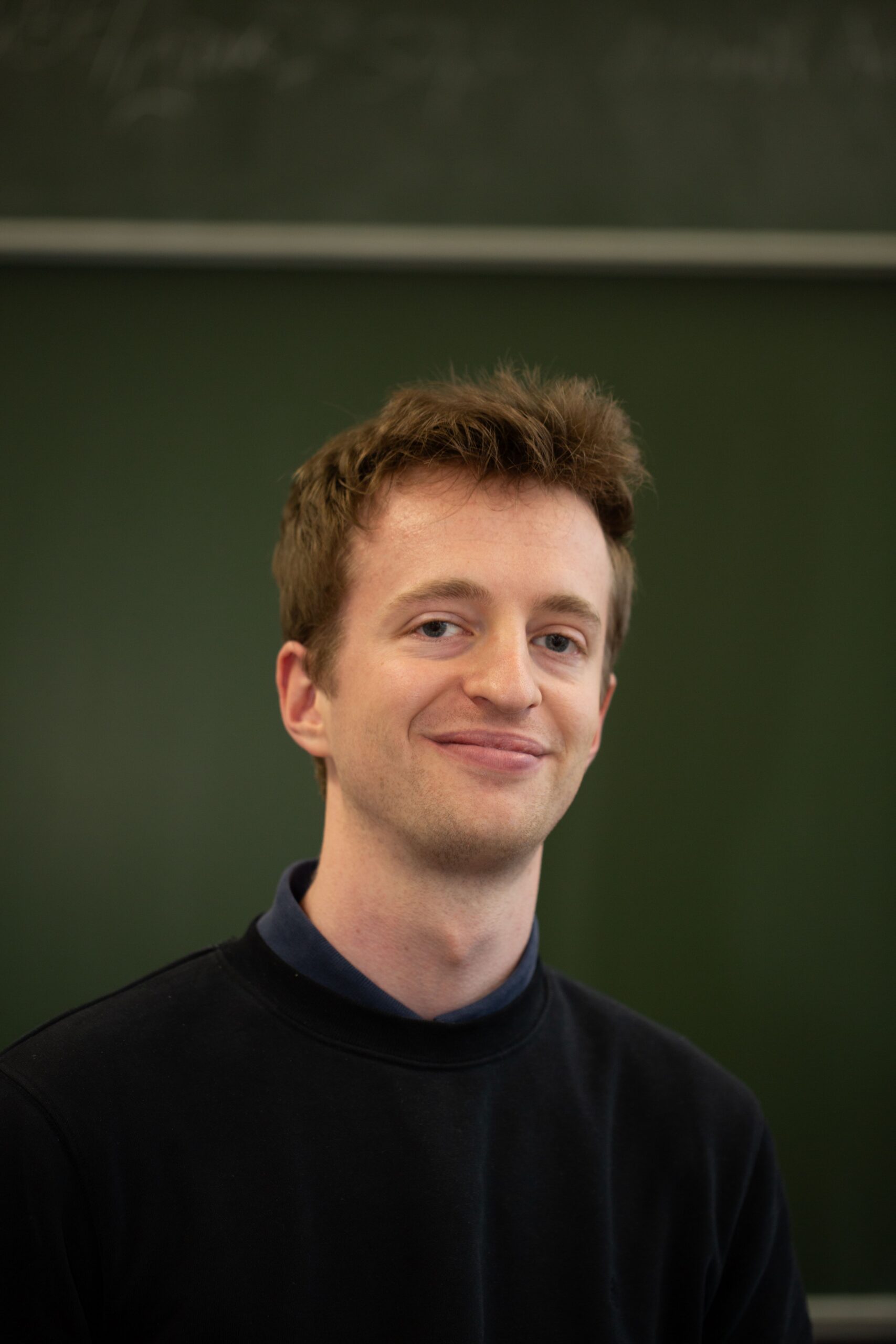
Institute for Analytical Research at Hochschule Fresenius, Idstein, GermanyLuca Muth is a PhD candidate at the Institute for Analytical Research at Hochschule Fresenius in Idstein, Germany. His research focuses on the development and implementation of analytical methods for the quantification of tire wear particles in environmental samples. Working with Py-GC-MS and density-separation-ICP-OES, he also investigates extractable tire markers and their suitability for quantification. The established methods are employed within the EU-funded INSPIRE project (101112879) to assess tire emissions in European rivers.
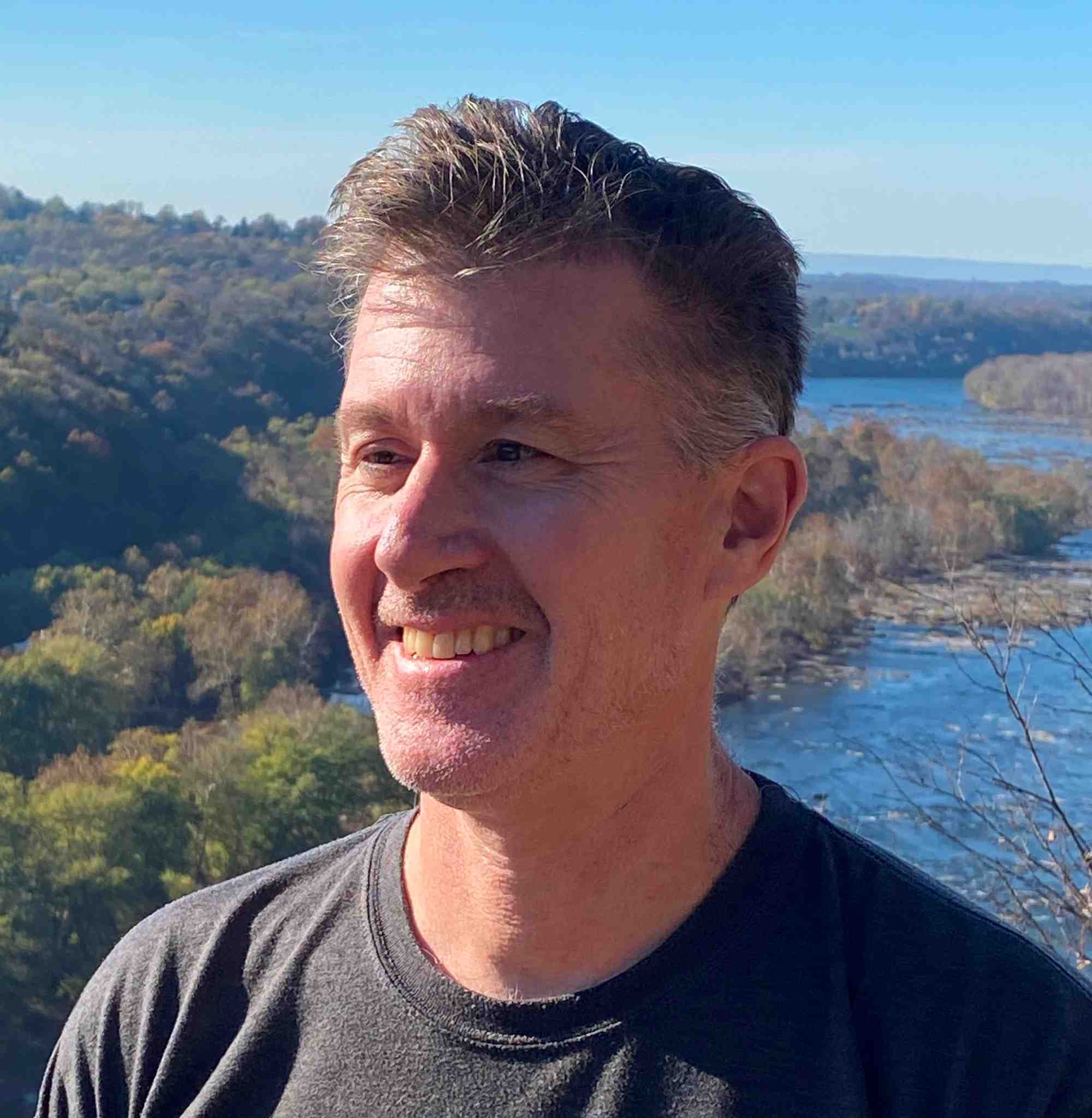
Richard Baldauf
Eastern Research Group (ERG)Dr. Richard Baldauf is an environmental engineer specializing in environmental management research and policy, with 25 years of experience at the U.S. Environmental Protection Agency (U.S. EPA) and currently with the Eastern Research Group (ERG). His work has focused on understanding emissions, exposures, and adverse health effects from transportation sources, including non-exhaust tire and brake wear. He has led key U.S. EPA research efforts on emissions characterization, green infrastructure mitigation, and strategies to reduce community exposure to traffic-related air pollution. At ERG, he continues to support research, policy development, and technical guidance to address the growing importance of non-exhaust emissions in air quality management. Dr. Baldauf has over 100 peer-reviewed articles, book chapters, and reports on the characterization and mitigation of environmental impacts from transportation sources.
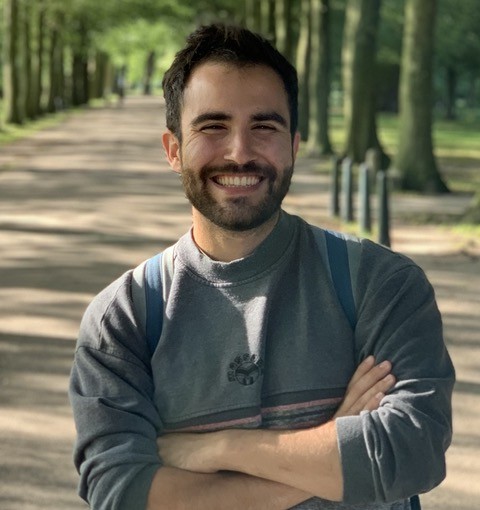
Diego Rodriguez
Universidad Autónoma de Madrid (UAM)Diego Rodriguez holds a PhD in Chemical Engineering from the Universidad Complutense de Madrid (UCM). He is currently a researcher in the Department of Chemical Engineering of Universidad Autónoma de Madrid (UAM), working as a member of the MicroWater-ITACA research group. His general research focuses on the separation and degradation of microplastics, specifically utilizing advanced oxidation processes (AOPs) for the latter. Currently, his work centers on investigating the degradation mechanisms of tire wear particles (TWPs) through oxidation processes.

Christoph Hueglin
EmpaChristoph Hueglin is a senior scientist with expertise in atmospheric science and heads the Ambient Air Quality group in the Laboratory of Air Pollution and Environmental Technology at the Swiss Federal Laboratories for Materials Science and Technology (Empa). He is responsible for the operation of the Swiss National Air Pollution Monitoring Network (NABEL) and is representing Switzerland in the European Network of Air Quality Reference Laboratories AQUILA. His main research interests lie in the statistical analysis of air quality data, including the source attribution of atmospheric particulate matter and ultrafine particles, and for some years also in the investigation of microplastics and tire wear particles in the environment.
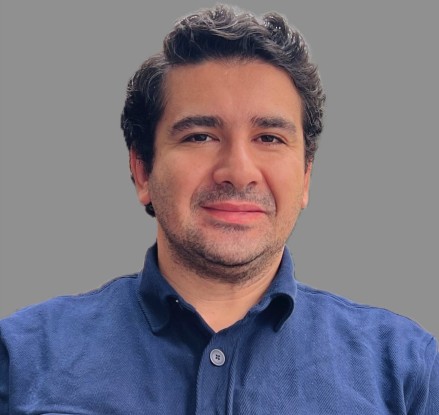
Mostafa Sadeghi Barzegar
Technical University of DarmstadtDoctoral Researcher | Institute of Applied Geosciences, TU Darmstadt
Darmstadt, Germany
Academic Profile
Ph.D. Candidate 2024 – Present
Institute of Applied Geosciences, Technical University of Darmstadt (Germany)
- Research Focus: Investigating the environmental impact, degradation pathways, and leaching behaviors of tire wear particles (TWP) in agricultural and roadside soil systems under varying climatic scenarios.
M.Sc. in Tropical Hydrogeology and Environmental Engineering | 2020 – 2024
Technical University of Darmstadt (Germany)
- Master’s Thesis: Investigating the Effects of Microplastic Contamination of Biodegradable Plastic Films Used in Agriculture on Plant Performance and Nutrient Availability: A Study on Growth and Contamination.
B.Sc. in Civil Engineering | 2013 – 2017
Allameh Dehkhoda University (Qazvin, Iran)
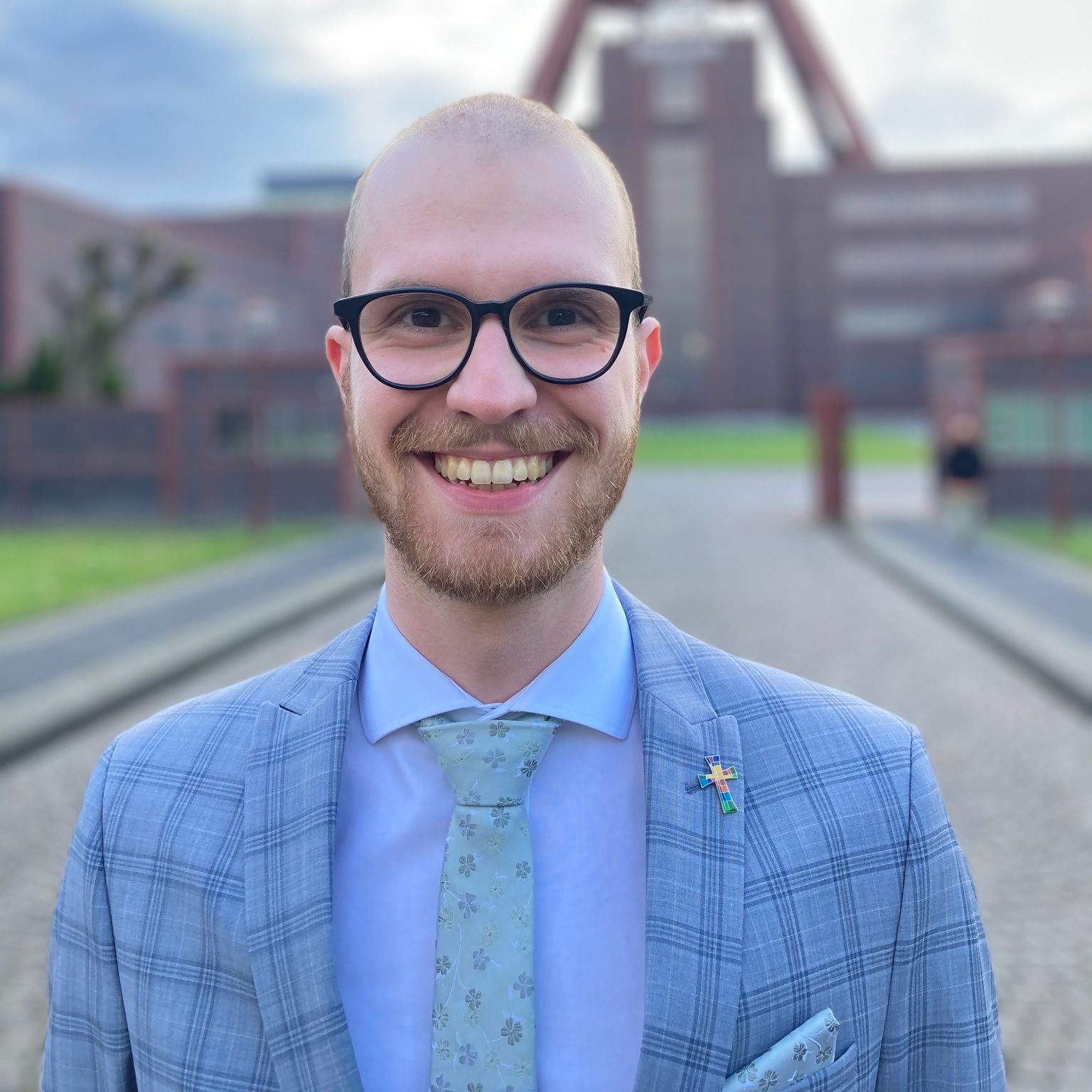
Angus Rocha Vogel
Helmholtz Centre for Environmental Research (UFZ)Angus Rocha Vogel, born in Portugal, raised in Germany
2013 – 2016: Apprentiship as Chemical Laboratory Assistant @ Max-Planck-Institute for Coal Research, Mülheim (Ruhr), Germany
2016 – 2019: Chemistry, Bachlor of Science @ RWTH Aachen, Germany
2019 – 2022: Chemistry-Environment-Energy, Master of Science @ Friedrich Schiller University Jena, Germany
2022: Master’s Thesis @ Helmholtz Centre for Environmental Research (UFZ), Magdeburg, Germany, Topic: Trace Element Adsorption on Tire and Road Wear Particles
2023 – 2026: PhD @ Helmholtz Centre for Environmental Research (UFZ), Magdeburg, Germany, Topic: Sorption Behavior of Heavy Metals on Tire and Road Wear Particles under Different Biogeochemical Conditions in River Water
2025: five weeks research stay @ American University of Armenia, Yerevan, Armenia, Topic: Influence of Wastewater on the Adsorption of Heavy Metals to Tire and Road Wear Particles
Member of the German Chemical Society (GDCH, FG UCÖT) and Society of Environmental Toxicology and Chemistry (SETAC)
(1 publication as co-author, 3 publications as first author, 1 publication as first author under review.)
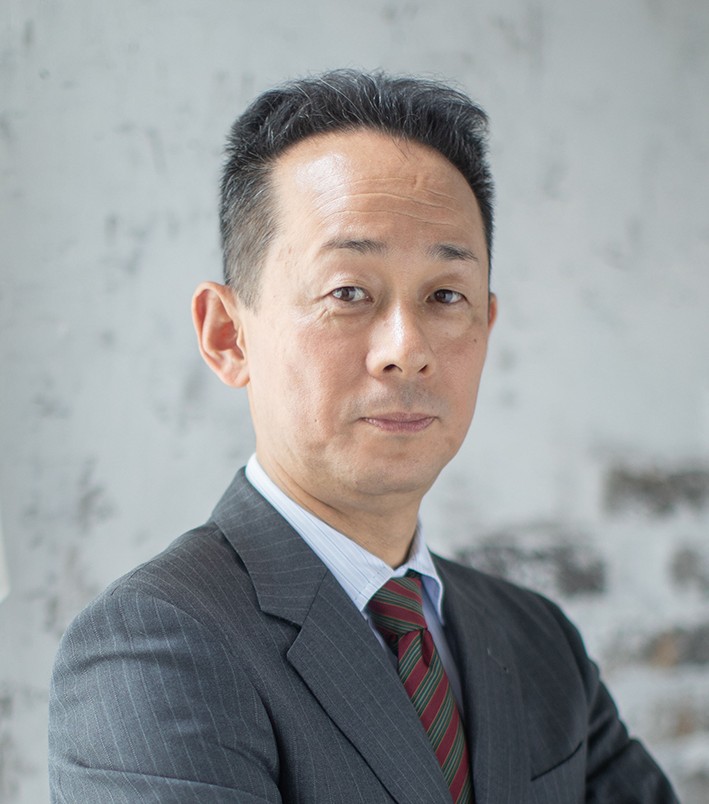
Tatsuya Kunisue
Ehime UniversityTatsuya Kunisue is currently a professor at the Division of Environmental Chemistry and Ecotoxicology, Center for Marine Environmental Studies (CMES), Premier Institute for Advanced Studies, Ehime University, Japan. His special field is Environmental and Analytical Chemistry on various organic compounds such as persistent organic pollutants (POPs) and their related substances and metabolites, pharmaceuticals and personal care products, and plastic additives. Recently, he has been focusing on the finding of transformation products and impurities associated with the above chemical substances using non-target analysis.
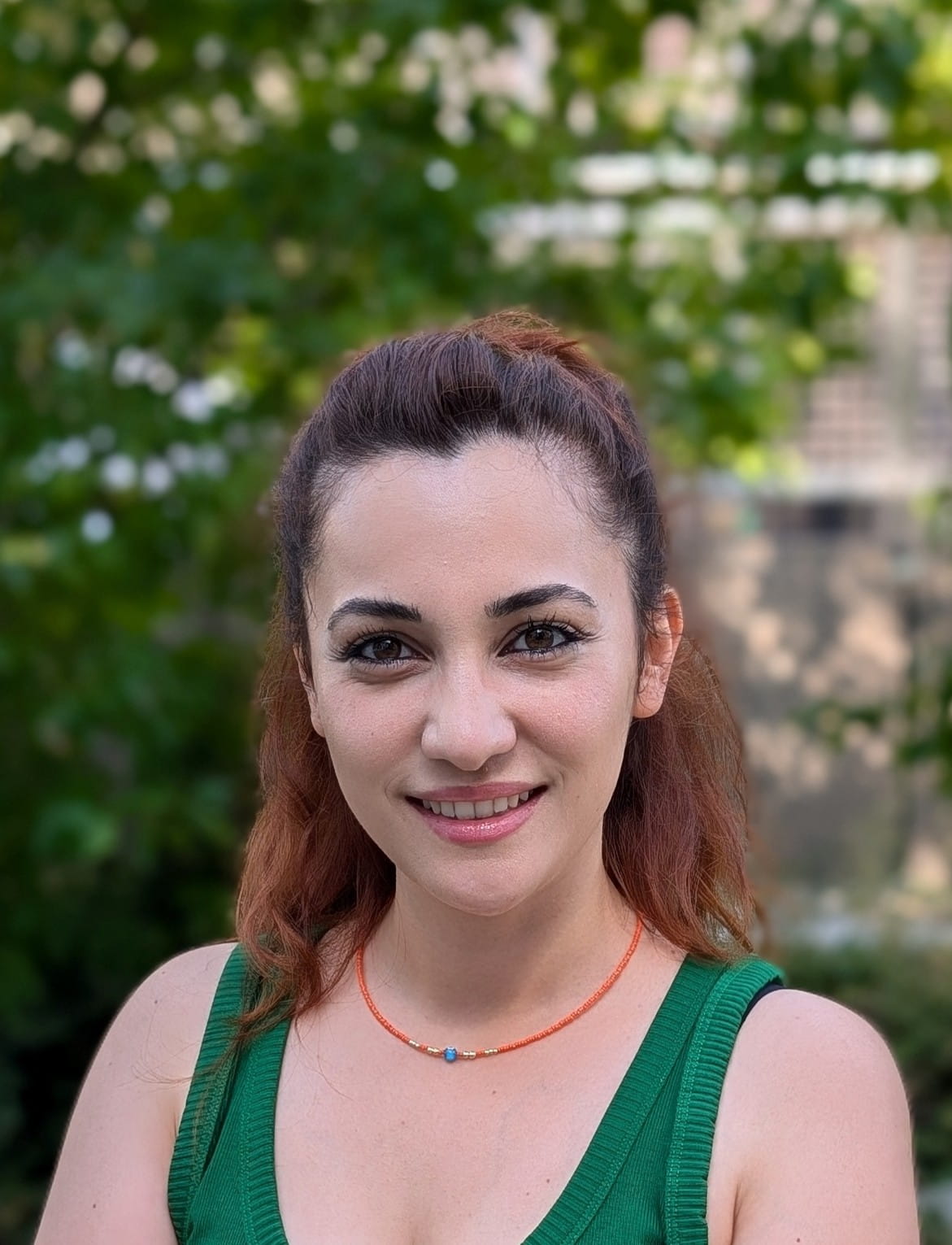
Göksu Celik
University of ViennaGöksu Celik is a postdoctoral researcher at the Centre for Microbiology and Environmental Systems Science, University of Vienna (Austria), working with Prof. Thilo Hofmann on the fate and effects of tire additives in aquatic environments and humans. Her work is funded by the FWF Cluster of Excellence “Microbiomes Drive Planetary Health.” She obtained her PhD from Dresden University of Technology (Germany), where she focused on the environmental hazard assessment of hydrophobic organic contaminants, including biodegradation, bioaccumulation, and acute and chronic toxicity in aquatic systems.
Emilie Réalis
INRAEÉmilie Réalis-Doyelle work focuses on the ecology of stress and the impact of multiple environmental stressors on fish, particularly chemical contaminants (microplastics, PCBs, etc.) and physical stressors (noise, temperature).
Her research combines behavioral, physiological, and omics (transcriptomic) approaches. It is based in particular on the Pace-of-Life Syndromes (POLS) concept, which explores the links between behavior, metabolism, physiology, and life history strategies to better understand individual responses to environmental disturbances.

Anna Toso
Swiss Federal Institute of Aquatic Science and Technology (Eawag)Anna Toso is a postdoctoral researcher at the Swiss Federal Institute of Aquatic Science and Technology (Eawag). She works on the biological effects of tire-derived microplastics and associated chemicals in aquatic systems, with a focus on mechanistic cellular responses in fish using rainbow trout cell lines. She holds a PhD in Chemical and Biological Sciences for Health and has a background in Environmental Biology.
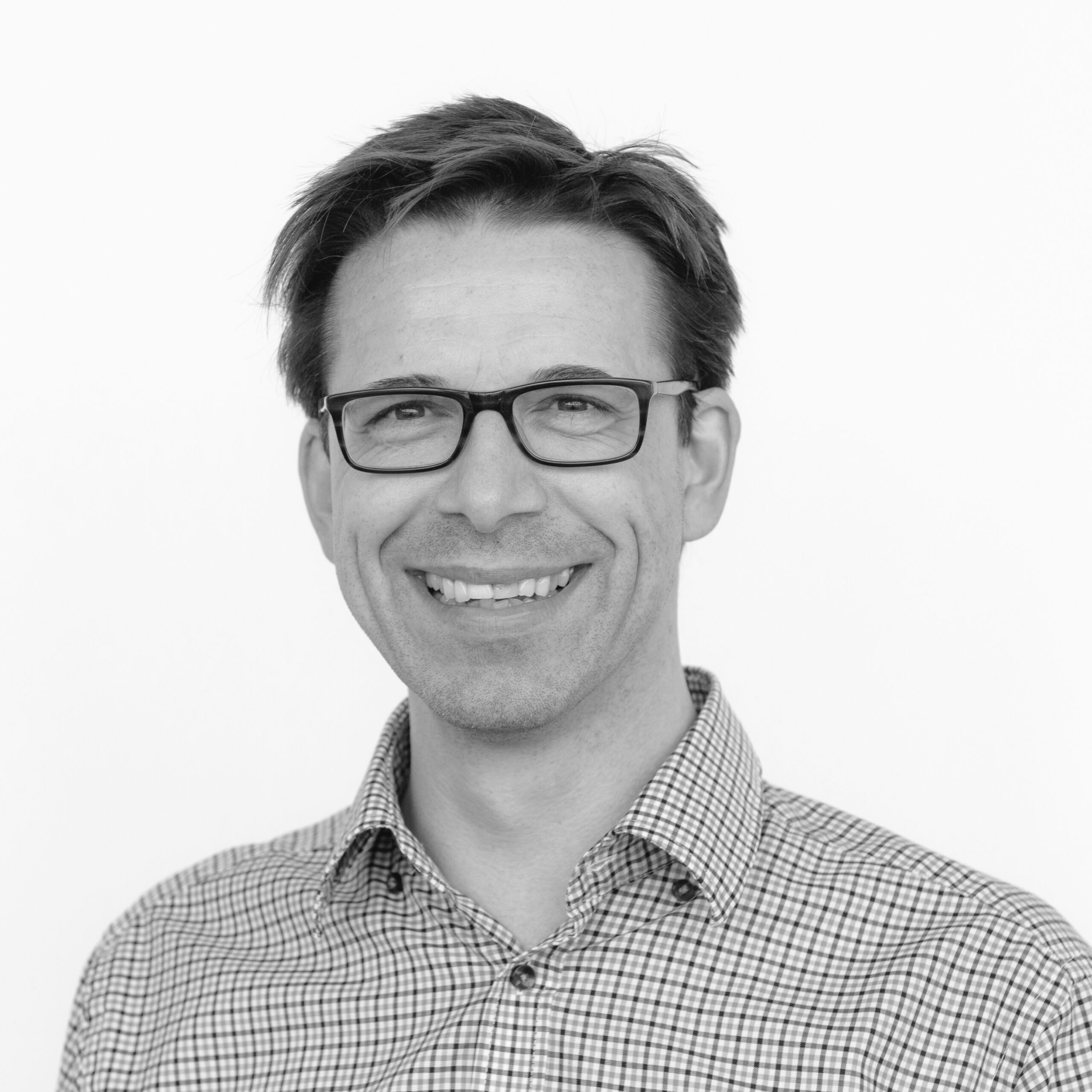
Michael Burkhardt
Eastern Switzerland University of Applied Sciences- Professor in Environmental Engineering and Head of Institute of Environmental and Process Engineering UMTEC at Eastern Switzerland University of Applied Sciences.
- I’m working in the area of wastewater treatment, stormwater management and construction materials leaching for more than 25 years.
- Specific interests are on innovative and applied source-control and end-of-pipe measures to reduce environmental impact and improve water quality.
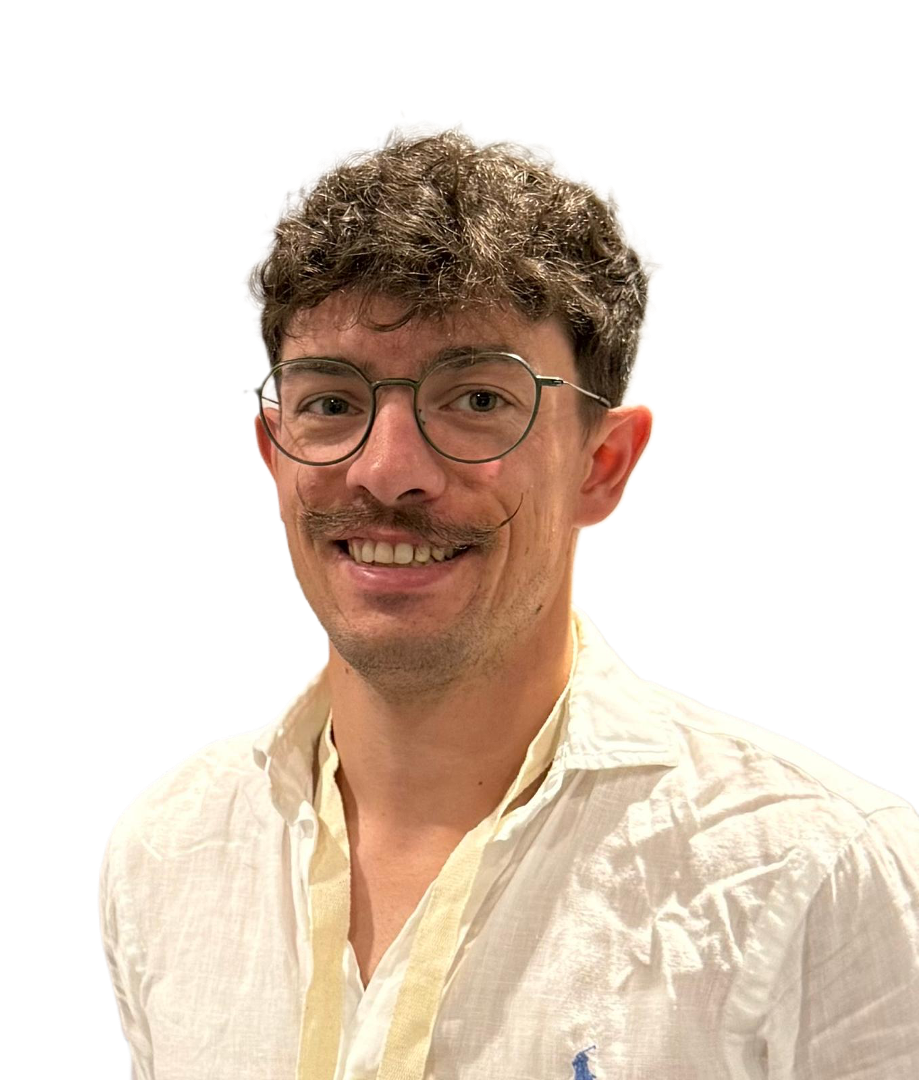
Siebe Lievens
ACESSS - University of LiègeDr. ing. Siebe Lievens holds an Engineering degree in Biochemistry and obtained in 2023 a PhD in Engineering Technology (KU Leuven, Belgium) and a PhD in Pharmaceutical Sciences (University of Antwerp, Belgium). During his joint-PhD, he focussed on the mutual effects between microplastics and black soldier fly larvae (H. illucens), both biologically and chemically. Following his joint-PhD, he conducted a postdoc in Analytical Chemistry at VITO (Flemish Institute of Technological Research) focusing on the analysis of microplastics and its accompanying additive chemicals, using Py-GC-MS and DART-MS. Since 2025, he holds a position as research manager at the Academic Center of Excellence in Separation Science and Sensing of the University of Liège (Belgium), responsible of the microplastic research line developing comprehensive methods to analyse complex matrix containing microplastics using Py-GC×GC-ToFMS.
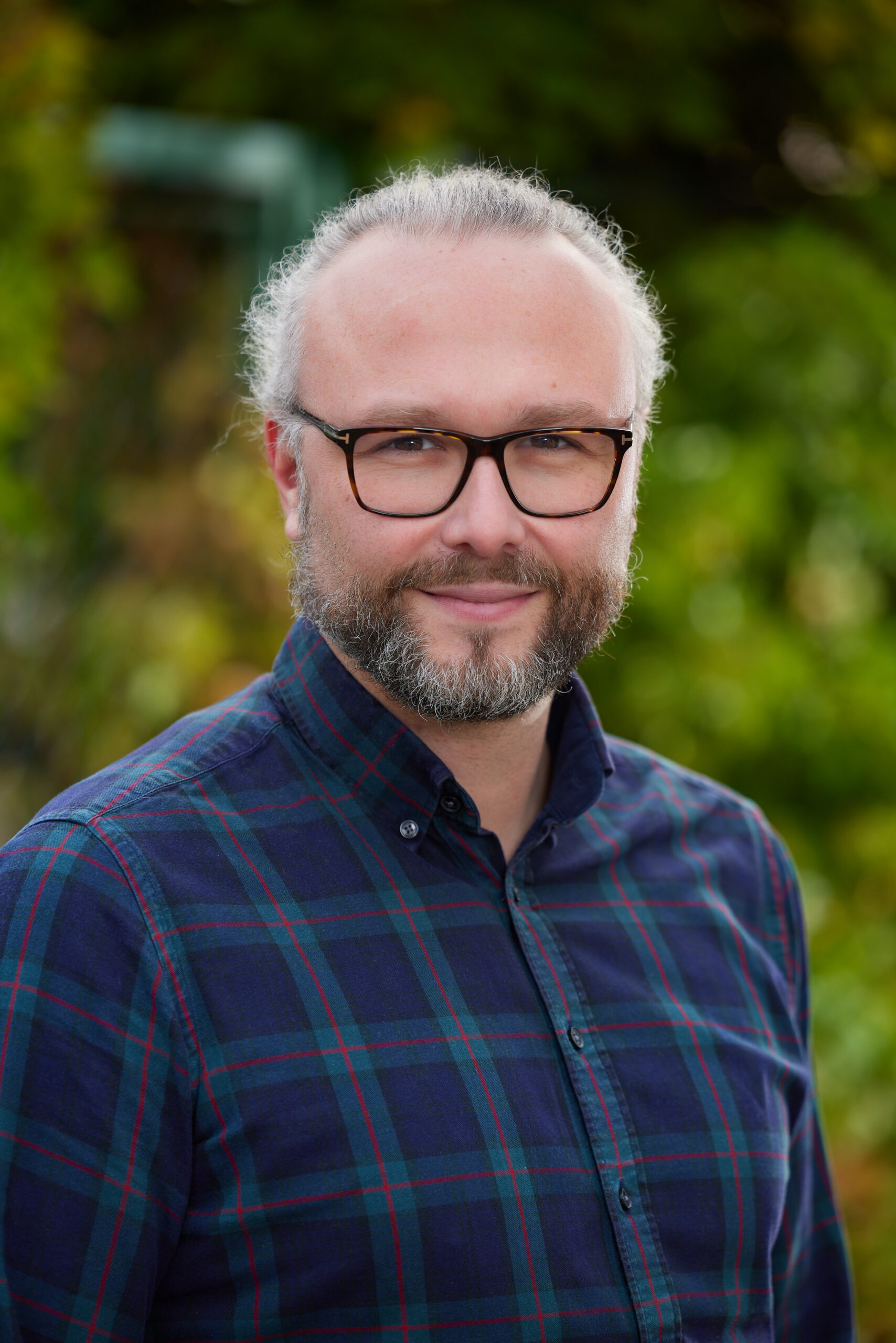
Thorsten Hüffer
University of ViennaThorsten Hüffer is an environmental chemist and Senior Scientist at the Department of Environmental Geosciences, University of Vienna. His research focuses on the environmental fate, transport, and transformation of tire wear particles and tire-derived compounds, with particular emphasis on their occurrence across aquatic and terrestrial environments. His work combines environmental chemistry, analytical mass spectrometry, and field investigations to study the release, partitioning, and uptake of tire-derived contaminants in rivers, soils, sediments, and plants. He has contributed to advancing the understanding of tire wear as an emerging environmental contaminant through studies on environmental monitoring, contaminant partitioning, plant uptake, and the behavior of tire-derived chemicals in urban and agricultural systems.
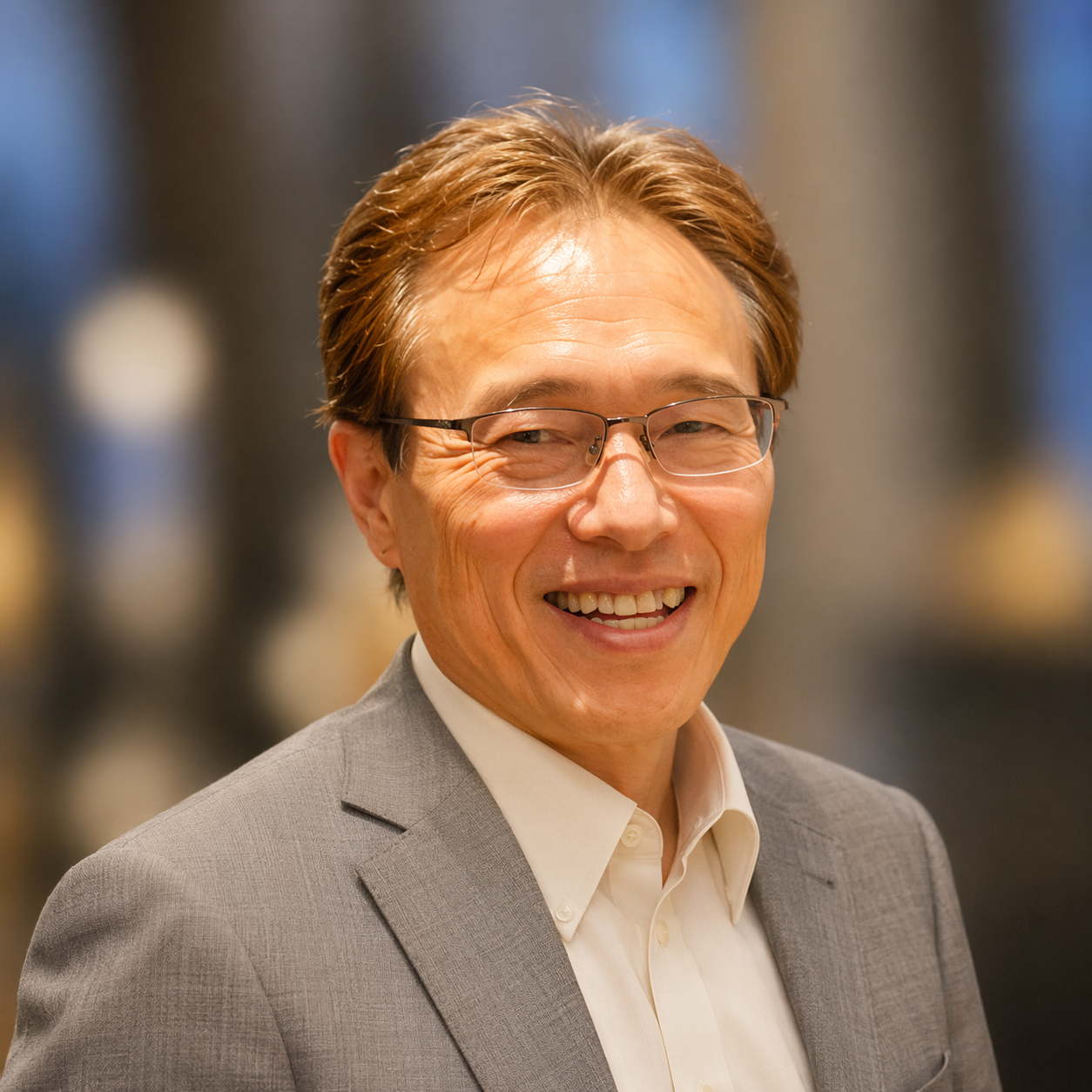
Kazuma Nakazawa
Bridgestone Corporation, JapanKazuma Nakazawa is a researcher at Bridgestone Corporation who has worked on new materials research and development and, in recent years, has been engaged in tire and road wear particles (TRWP) research, focusing on their environmental transport, fate, and infrastructure-based mitigation, including wastewater treatment systems.
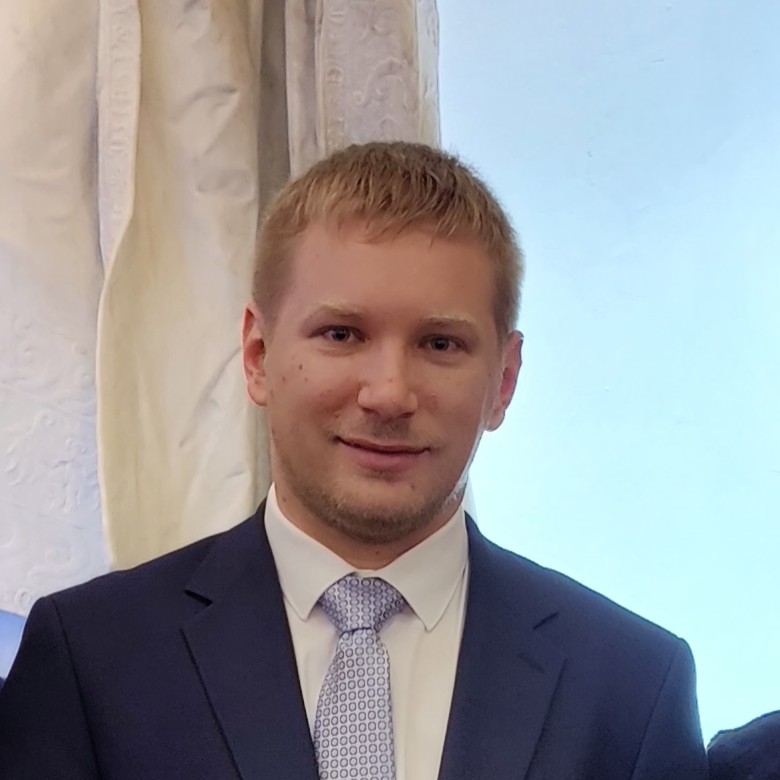
Thomas Seebacher
Graz University of TechnologyThomas Seebacher is a PhD student at Graz University of Technology, focusing on experimental measurement methodologies for tire wear emissions. After earning his Bachelor’s and Master’s degrees from TU Graz, he began his doctoral research last year. Over the past twelve months, he has deeply engaged in the test-bench assessment of non-exhaust emissions, specifically investigating tire wear particles for passenger cars and heavy-duty trucks under controlled conditions.
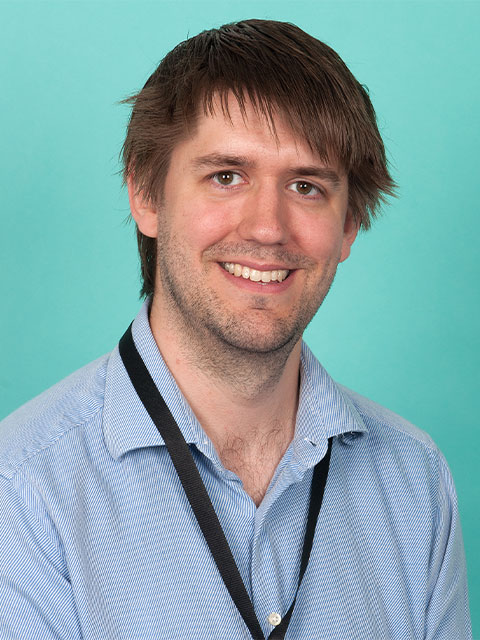
James Knowles
Loughborough UniversityDr Knowles is a senior lecturer in the department of aeronautical and automotive engineering at Loughborough University, with research interests in the modelling and prediction of tyre rubber friction, wear and emissions. Dr Knowles obtained a MEng in Aerospace Engineering in 2008 and a PhD in engineering mathematics in 2012, both from the University of Bristol. After a short postdoc position based at Airbus in Toulouse, he joined Oxford Brookes University as a lecturer moving to Loughborough in 2014. For the past 8 years, Dr Knowles has worked on improving tyre friction prediction for motorsport applications, and is currently leading two projects on tyre emissions: the EPSRC-funded Tyre Particulate Emissions (TyPE) network, which aims to connect researchers working in this multidisciplinary space to help mitigate the impacts of future tyres on the environment and its inhabitants; a UKRI interdisciplinary research grant studying the Health and Environmental Impacts of Particulate Emissions from Tyres (HEI-PET).
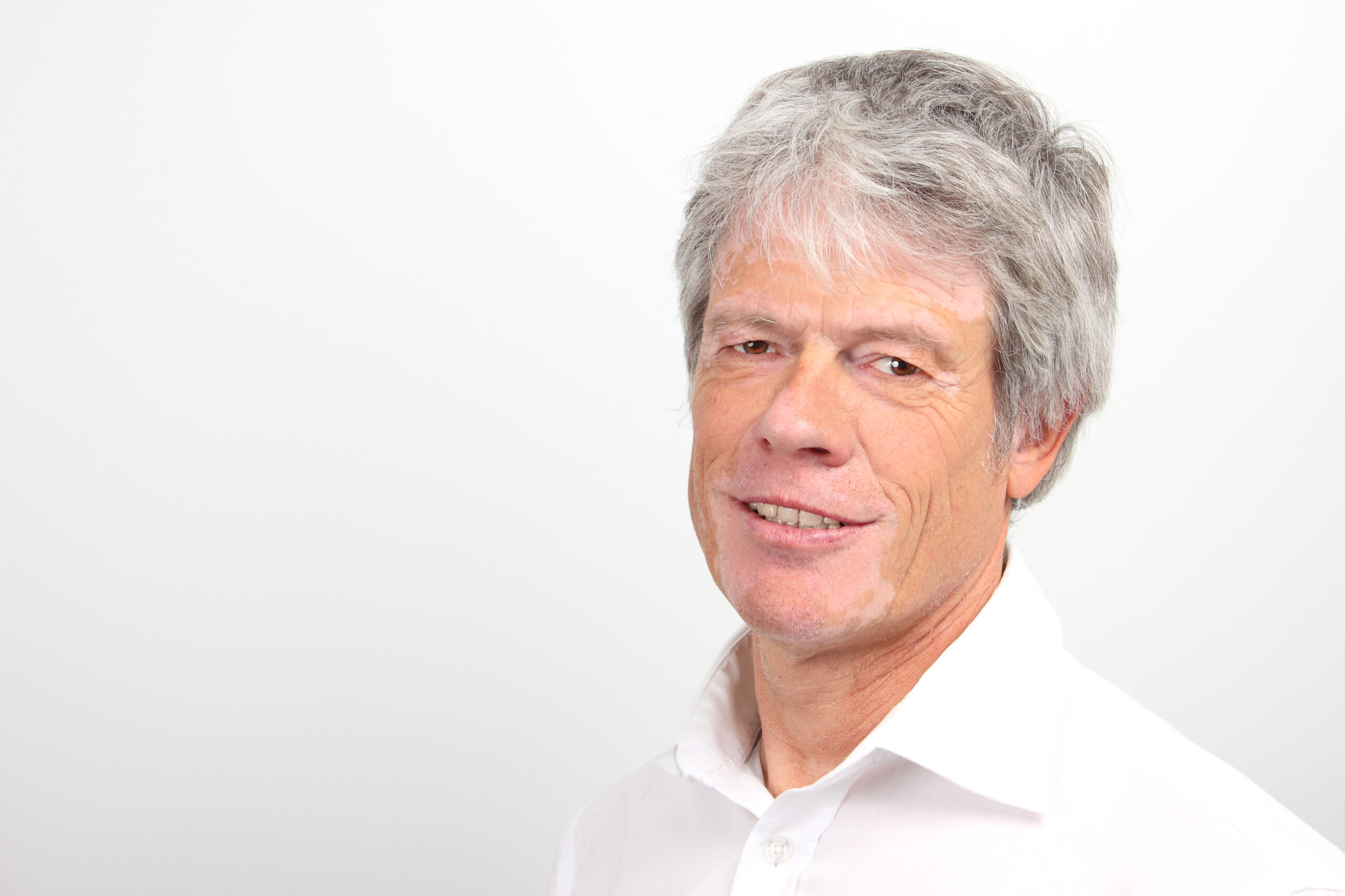
Ulrich Giese
German Institute of Rubber Technology (DIK)Ulrich Giese received his PHD in chemistry in 1988. He started in 1989 working in rubber research at the German Institute of Rubber Technology (DIK). Currently he is Managing Director of the DIK e. V. and of the “DIK Testing Laboratory”. Since 2010 U. Giese is a distinguished professor at the Leibniz University of Hannover (“Polymer-/Analytical Chemistry”). Since 2013 he is editor of the international Rubber Journal “KGK”. Achievements: more than 145 publications, 180 lectures; Supervisor for more than 50 phd thesis, Best Paper Award IRC 2014; Harries Medal DKG, 2018; ACS – “Georg Stafford Withby Award”, 2019 , IRCO -medal IRC 2025

Gurman Kaur
Invictus International SchoolGurman Kaur is an award-winning young researcher and innovator from India with a longstanding fascination for the history of science and the ideas that have shaped human progress. Guided by the belief that the most meaningful discoveries emerge at the intersection of disciplines, her work spans engineering, medicine, environmental sustainability, and entrepreneurship. Her research and innovations have received national and international recognition, including competitive startup funding for one of her projects. She aspires to contribute to scientific discovery while advancing a broader understanding of how science shapes society.

Dimitrios Kontses
Aristotle University of ThessalonikiDimitris Kontses studied mechanical engineering at the Aristotle University of Thessaloniki, Greece in the field of internal combustion engines and exhaust emissions. He continued with his PhD studies at the Laboratory of Applied Thermodynamics at the same University focusing on developing a soot sensor for on-board diagnostics (OBD) system for Diesel Particulate Filter (DPF) failure detection. Over the last 6 years he is working as project manager on the field of non-exhaust emissions, zero-emission vehicle technologies and life-cycle emission assessments. He has also operated at the intersection of technology and vehicle emission-related legislation supporting the development of on-board monitoring (OBM) and anti-tampering requirements for Euro 7.
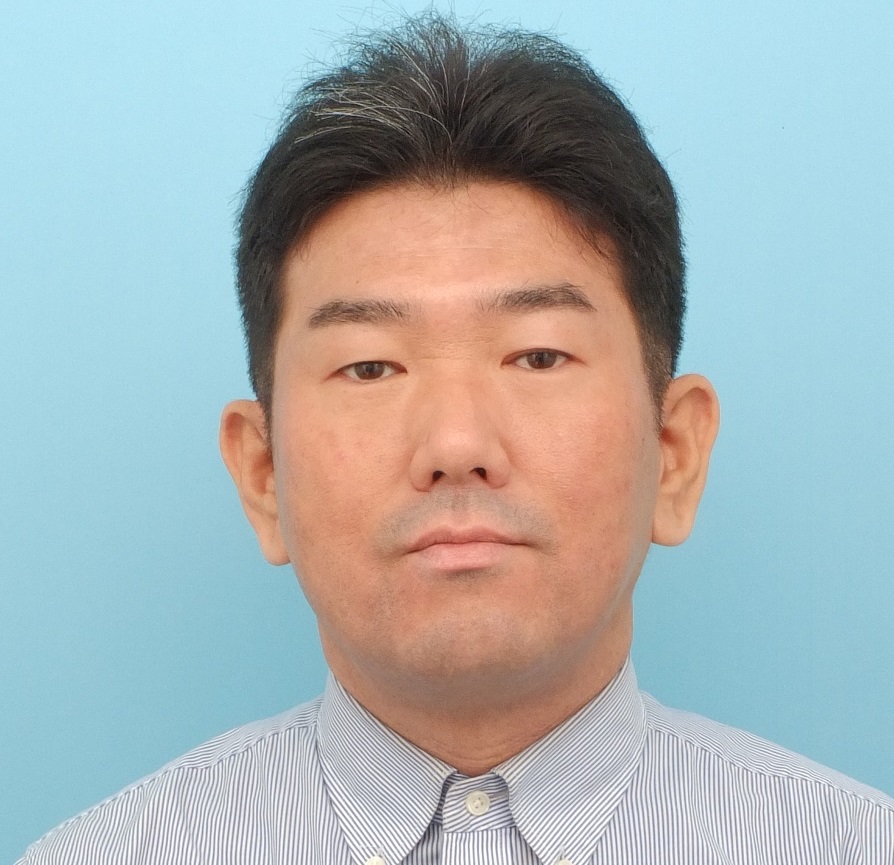
Shuhei Tanaka
Kyoto UniversityShuhei TANAKA is an Associate Professor of Graduate School of Global Environmental Studies, Kyoto University, Japan and is a committee member of the North Pacific Marine Science Organization. He also is an expert of ISO TC38 (Textile) and ISO TC147 (Water Quality). For about 20 years, Dr. Shuhei TANAKA’s research has focused on water quality, especially per- and polyfluoroalkyl substances (PFASs), microplastics, nanoplastics, and nature restoration, which resulted in 134 published manuscripts, 172 international presentations, 298 oral presentations. He was a project representative of the environment research and technology development funds (4-1801, 5-2101).
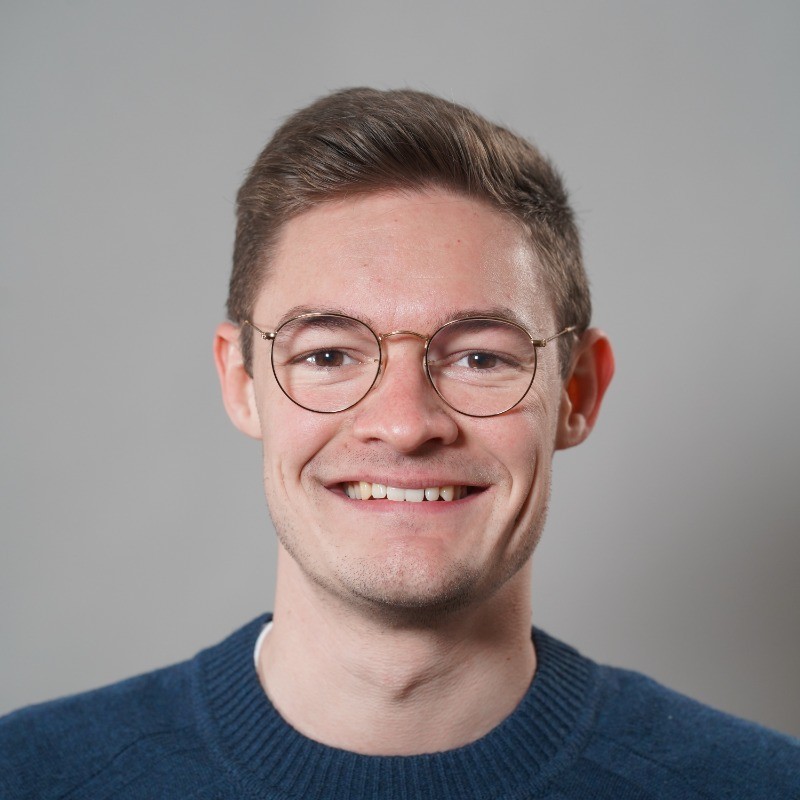
Ludwig Schubert
Graz University of Technology, Graz, AustriaLudwig Schubert is a university assistant and research engineer at Graz University of Technology and AVL List GmbH. He began his research career during his bachelor’s studies, focusing on brake disc development. He received his MSc from Graz University of Technology in 2022, with a specialization in the generation and measurement of non-exhaust emissions on an indoor drum test bench. Since 2023, he has been pursuing his PhD, focusing on tire wear and airborne tire wear particle emissions under controlled laboratory conditions. His research emphasizes the development of reproducible and realistic test bench methodologies to simulate real-world tire abrasion and particle release. A key aspect of his work is ensuring representative tire wear and airborne particle emission behavior on a drum test bench, including investigations on both passenger car and heavy-duty truck tires. His work involves aerosol measurement techniques to characterize particle emissions, particularly in the sub-10 micrometer range, and contributes to improving the understanding and standardization of non-exhaust emission testing.
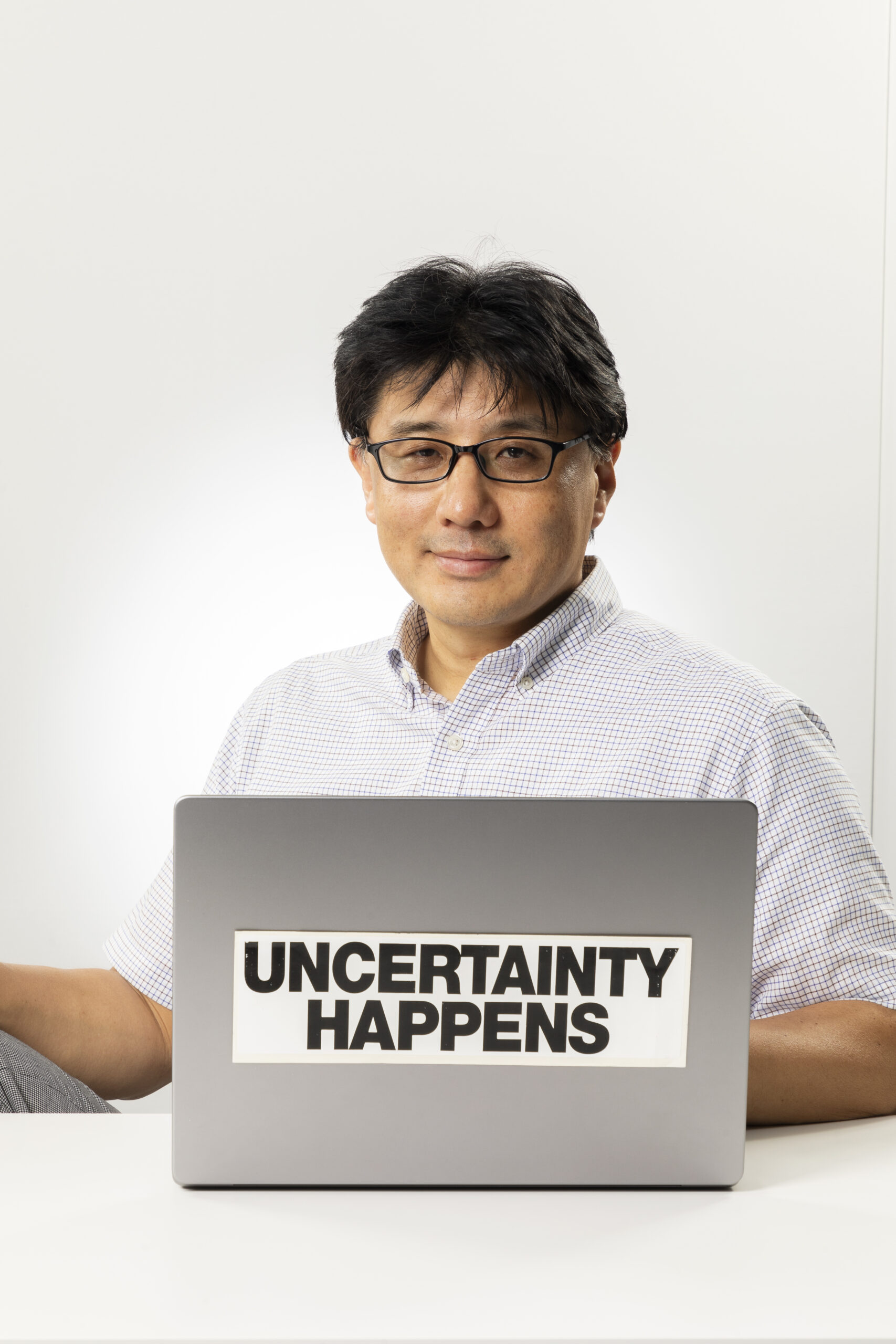
Wataru Naito
National Institute of Advanced Industrial Science and TechnologyDr. Wataru Naito is currently a team leader of Integrated Research Center for Nature Positive Technology at National Institute of Advanced Industrial Science and Technology (AIST), Japan. Currently, his research activities include developing methods for obtaining missing data for environmental risk assessment/management and promoting pragmatic risk assessment for contaminants of emerging concern (CECs) such as microplastics. He has served on a variety of expert advisory committees related environmental risk-related issues for central and local governments and been a member the Working Party on Exposure Assessment (WPEA) in OECD since the noughties. Dr. Naito received a BS in Environmental Science from Virginia Polytechnic Institute and State University (Virginia Tech), a MA and PhD in Materials Science and Chemical Engineering from Yokohama National University.
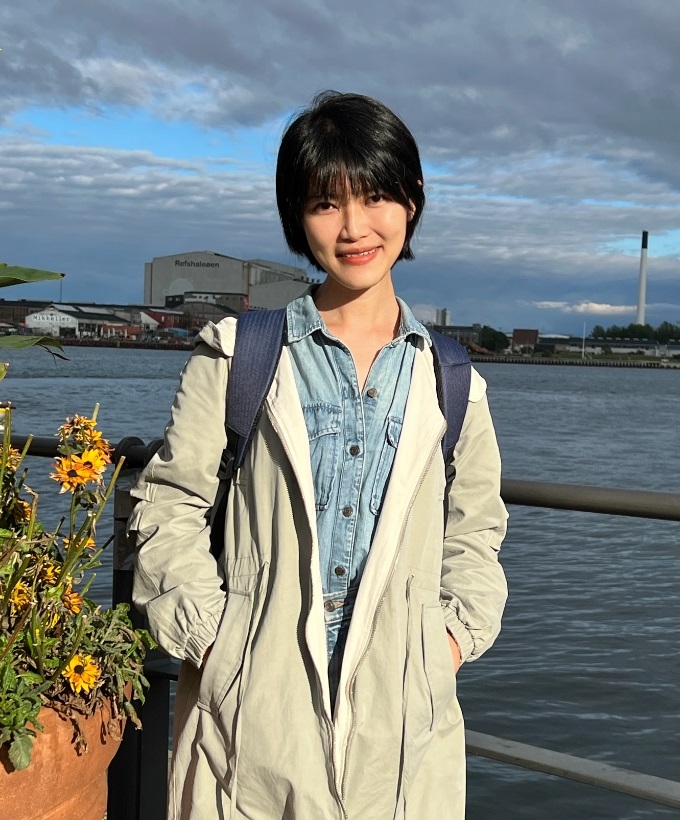
Meibo He
National University of SingaporeDr Meibo He is a Research Fellow at the National University of Singapore. Her research lies at the interface of water science, environmental analytical chemistry, emerging contaminants, circular economy, and sustainable infrastructure. She has worked on the monitoring, identification, and environmental assessment of contaminants of emerging concern, including micro-/nano-plastics and traffic-derived pollutants such as tire and road wear particles. Her work combines advanced analytical techniques, machine learning, and environmental occurrence studies to better understand the sources, pathways, and potential impacts of contaminants in urban environments.
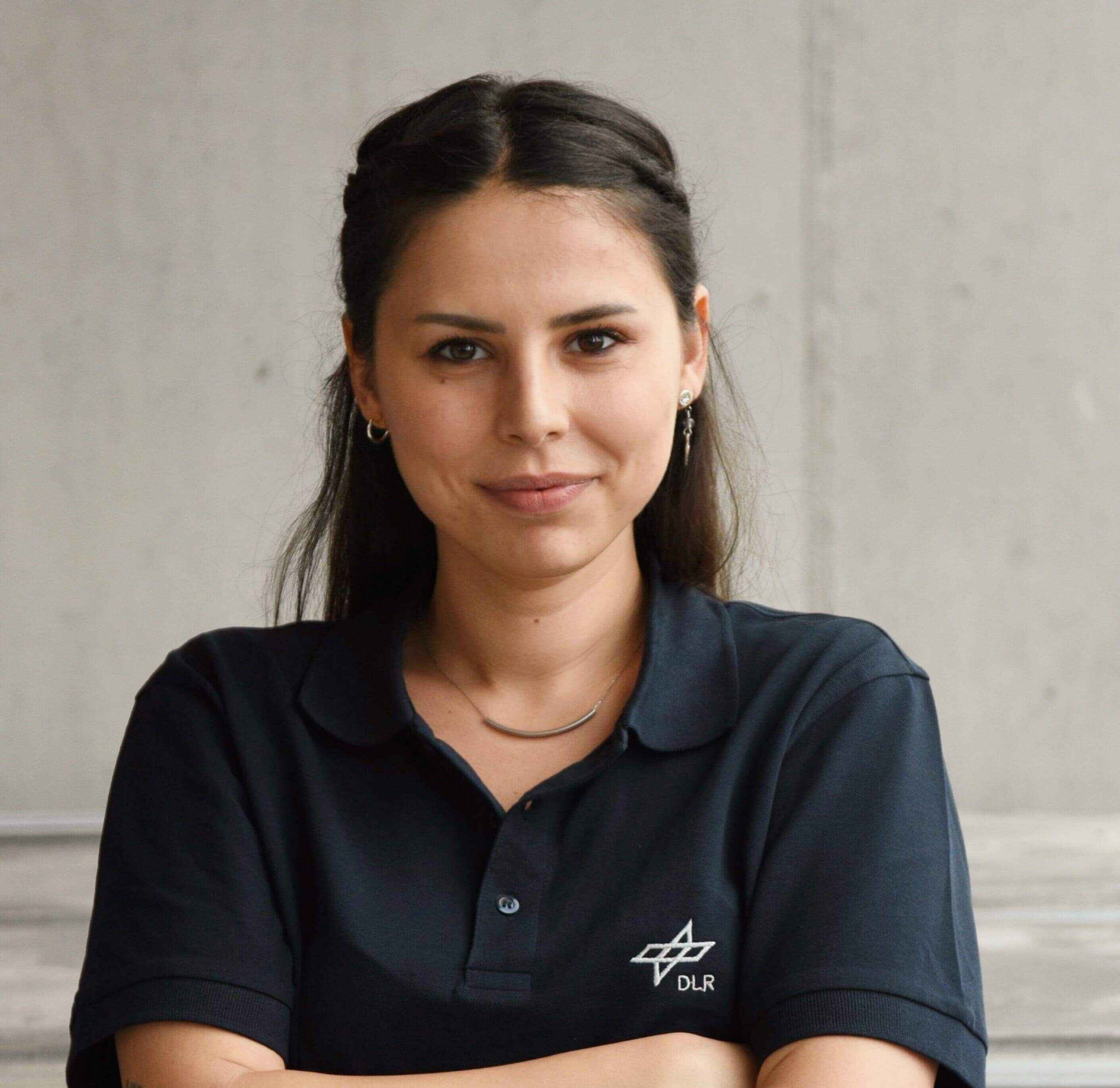
Melis Seren Çelenlioglu
German Aerospace Center, University of MilanoDr. Seren Celenlioglu is a scientist at German Aerospace Center (DLR), working on non-exhaust emissions with a particular focus on tire and road wear particle emissions. She completed her PhD in Environmental Physics at the University of Milan within a large industry experience, focusing on experimental approaches for the measurement and characterization of airborne tire emissions across different testing environments.
Her work addresses key methodological challenges in tire emission research, including sampling system design, data quality assessment, and physical and chemical characterization. She has been involved in national and international collaborations on non-exhaust emission measurement, combining laboratory and on-vehicle testing approaches. Her research aims to support the development of comparable methodologies and broader characterization techniques for non-exhaust emission assessments.
Kyoshiro Hiki
The University of TokyoDr. Kyoshiro Hiki is a lecturer at the University of Tokyo. He received his PhD from the University of Tokyo in 2016 and subsequently worked at the National Institute for Environmental Studies as a postdoctoral fellow and senior researcher. His research interests include ecotoxicology and ecological risk assessment, with a focus on sediment contamination, urban runoff, and the application of molecular technologies. Following his master’s work, he has evaluated the toxicity of road dust and road runoff-related chemicals on aquatic and benthic organisms. Since the discovery of 6PPD-quinone as the causative agent for acute die-offs of coho salmon, he has further investigated the toxicity of 6PPD, 6PPD-quinone, and related chemicals to aquatic organisms, while also pursuing the underlying mechanisms of 6PPD-quinone toxicity.

Elisabeth Støhle Rødland
Researcher at the Norwegian Institute for Water Research (NIVA)Dr. Rødland is researcher at the Norwegian Institute for Water Research (NIVA). Dr. Rødland is a marine biologist (MSc) and environmental chemist (PhD), and has been working on road-related pollution topics for more than 12 years. She has a 7 year background from the Norwegian Public Roads Administration, before doing her PhD work on the analysis of tire-road wear particles using PYR-GC/MS at NIVA and the Norwegian University of Life Sciences (NMBU). Dr. Rødland’s current research focuses the occurrence and fate of tire-road wear particles and related chemicals in the environment, including method improvements for identification and quantification, and evaluating different treatment options for road and tunnel runoff.
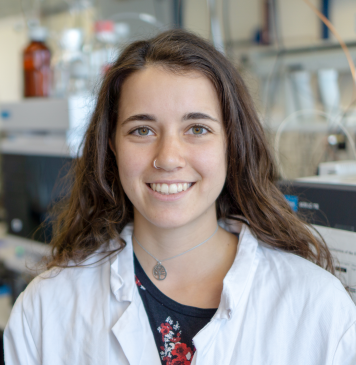
Anya Sherman
Institution for Environmental Assessment and Water Research in Barcelona, Spain Learn More
Anya Sherman
Institution for Environmental Assessment and Water Research in Barcelona, SpainAnya Sherman is a postdoctoral researcher at the Institution for Environmental Assessment and Water Research in Barcelona, Spain where her research mainly focuses on human exposomics. She previously completed her PhD at the University of Vienna, where her doctoral research focused on human exposure to rubber additives. She is passionate about elucidating how chemical transformations and other fate processes shape human exposure profiles.
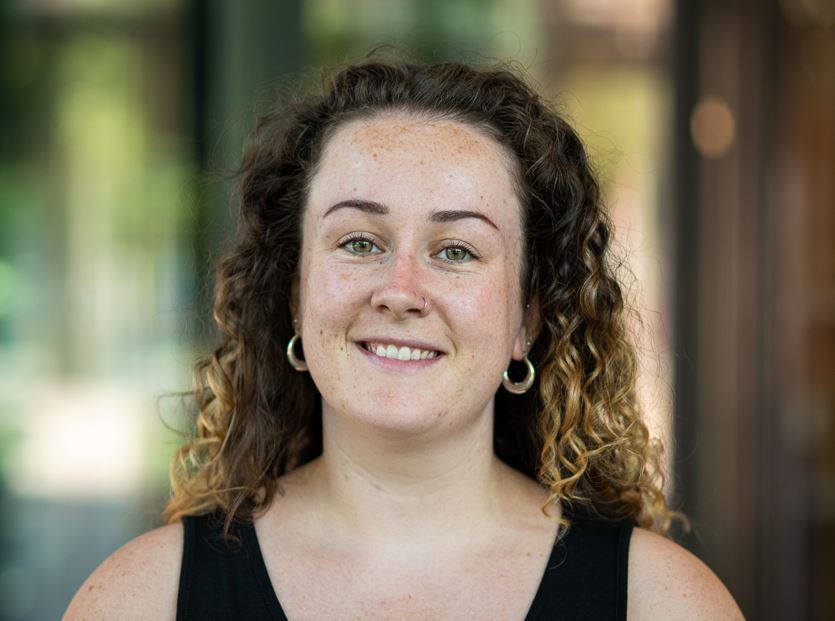
Harriet Amy Byrne
Helmholtz Centre for Environmental Research, LeipzigHarriet is a first year PhD student working at the department of Environmental Analytical Chemistry at the Helmholtz Centre for Environmental Research. She studied her Bachelors in Chemistry at the University of Sheffield, UK, before studying an interdisciplinary Masters in Environmental Sciences at the University of Vienna, Austria. Her PhD focuses on tyre and road wear particles and their associated chemicals. She is investigating differences in chemical fingerprints between different tyre material leachates and extracts and their transferability to environmental data, as well as quantification methods for TRWP in the environment.
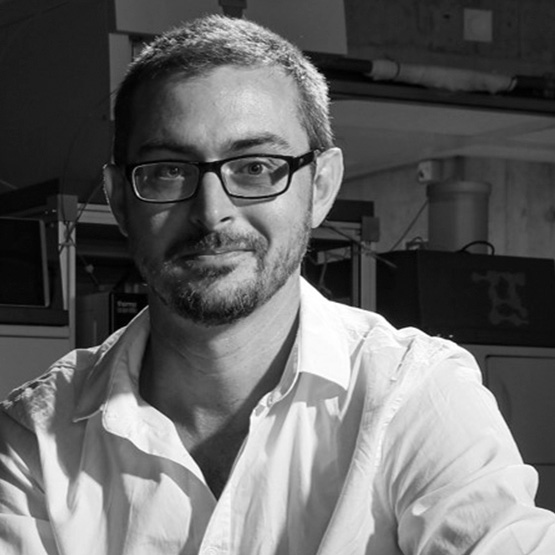
Florian Breider
Head of the Central Environmental Laboratory at EPFL (Swiss Federal Institute of Technology – Lausanne) Learn More
Florian Breider
Head of the Central Environmental Laboratory at EPFL (Swiss Federal Institute of Technology – Lausanne)Dr. Florian Breider is the head of the Central Environmental Laboratory at EPFL (Swiss Federal Institute of Technology – Lausanne) since 2018. He has studied environmental chemistry and physics at the University of Lausanne and obtained his PhD at the University of Neuchâtel in the field of isotope biogeochemistry. After his PhD he was research scientist at the Atmospheric Particles Research Laboratory of EPFL and then Research Associate at Tokyo Institute of Technology in Japan. His major research interest are the fate and impact of micropollutants and micro/nanoplastics on the ecosystems and their potential consequences on human health. Since 2020, his is studying the impact of tire and road wear particles and associated chemicals on the aquatic and terrestrial environments.