2025 Tire Emissions Research Conference Speakers


Alan Bergmann
Swiss Centre for Applied Ecotoxicology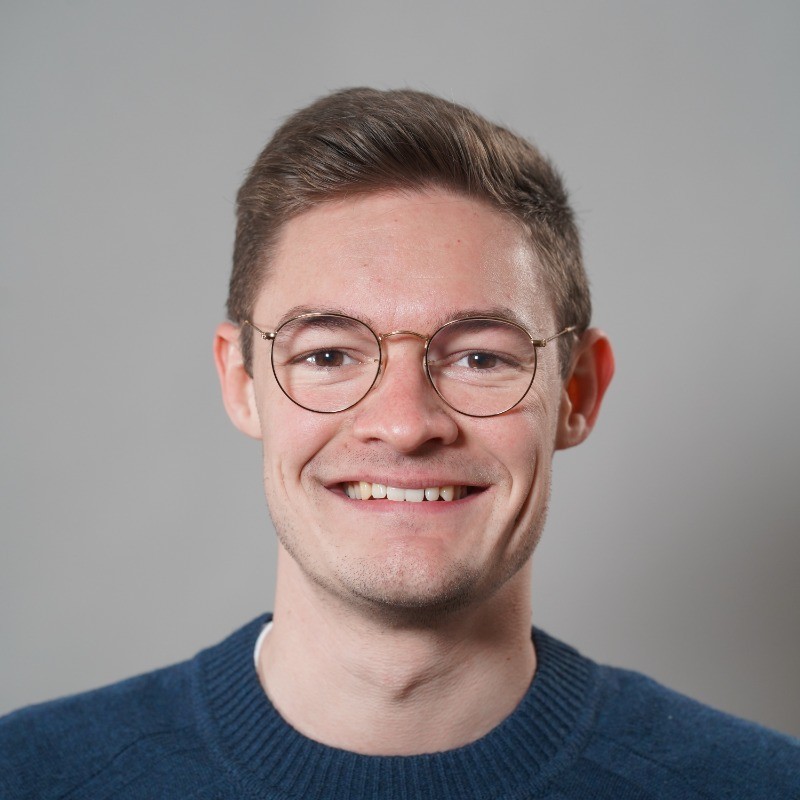
Ludwig Schubert
Graz University of Technology, Graz, AustriaLudwig Schubert is a university assistant and research engineer at Graz University of Technology and AVL List GmbH. He began his research career during his bachelor’s studies, focusing on brake disc development. He received his MSc from Graz University of Technology in 2022, with a specialization in the generation and measurement of non-exhaust emissions on an indoor drum test bench. Since 2023, he has been pursuing his PhD, focusing on tire wear and airborne tire wear particle emissions under controlled laboratory conditions. His research emphasizes the development of reproducible and realistic test bench methodologies to simulate real-world tire abrasion and particle release. A key aspect of his work is ensuring representative tire wear and airborne particle emission behavior on a drum test bench, including investigations on both passenger car and heavy-duty truck tires. His work involves aerosol measurement techniques to characterize particle emissions, particularly in the sub-10 micrometer range, and contributes to improving the understanding and standardization of non-exhaust emission testing.
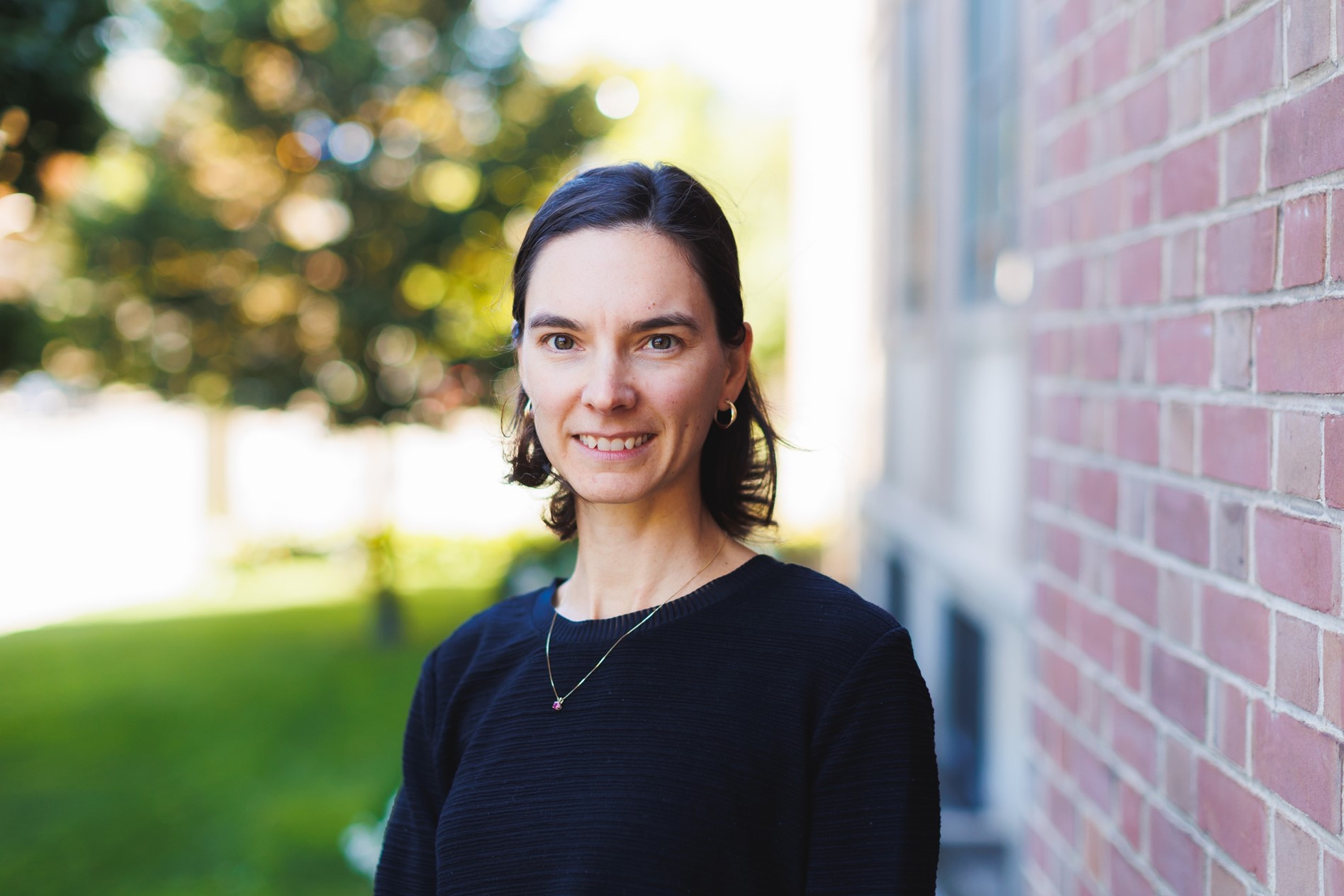
Elodie Passeport
Rutgers UniversityElodie Passeport is an Associate Professor in the Department of Environmental Sciences at Rutgers University since January 2024. Previously, Dr. Passeport was an associate professor in Civil & Chemical Engineering at the University of Toronto, and Tier II Canada Research Chair in Environmental Engineering and Stable Isotopes. Her research focuses on environmental remediation. Her group studies the fate and removal of contaminants in aquatic environments. In 2020, Elodie Passeport received the Ontario Early Researcher Award and the Early Career Teaching Award from the University of Toronto Faculty of Applied Science and Engineering.
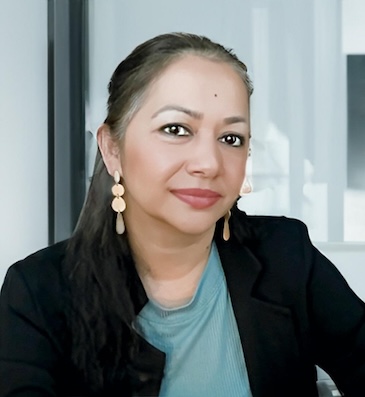
Gayathri Srinivasan
Executive Director, MIT Corporate RelationsDr. Gayathri Srinivasan is a distinguished scientist who received her PhD in Microbiology from The Ohio State University in 2004, where she contributed to the discovery of the 22nd amino acid, Pyrrolysine (2002). She first came to MIT as an NIH Postdoctoral Fellow in Prof. Tom Rajbhandary’s lab, where her research focused on understanding protein synthesis mechanisms in Archaea.
Dr. Srinivasan subsequently moved into the business development and technology licensing space, serving in MIT’s Technology Licensing Office, where she helped commercialize technologies in medical devices and alternative energies. She then moved to UMass Medical School’s Office of Technology Management in 2009 and to Emory University in Atlanta in 2014 as the Director of Public and Private Partnerships for the Woodruff Health Sciences Center. In 2019, Dr. Srinivasan joined Emory’s Office of Corporate Relations as Executive Director, and in 2021, she led the Office of Corporate and Foundation Relations.
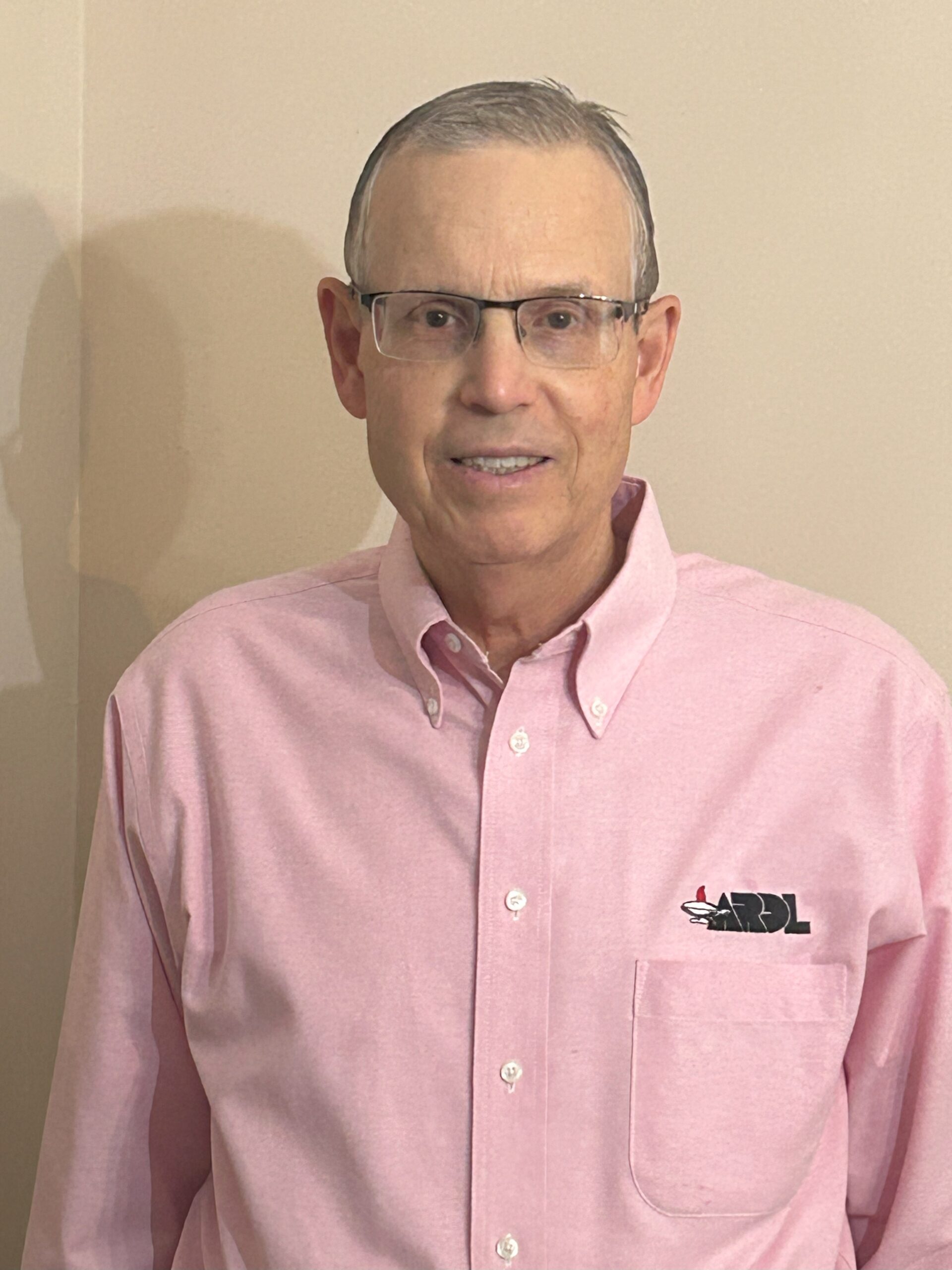
Edward R Terrill
Akron Rubber Development Laboratory (ARDL).Ed Terrill has received his BS in Chemistry from Ursinus College and his PhD in Polymer Science from The University of Akron. He retired as a Research Fellow at Akron Rubber Development Laboratory (ARDL). His professional experience includes 40 years in the rubber industry. Prior to joining ARDL he worked for The Goodyear Tire & Rubber Company and E I DuPont deNemours & Co. His research interests include rubber compounding, and testing.
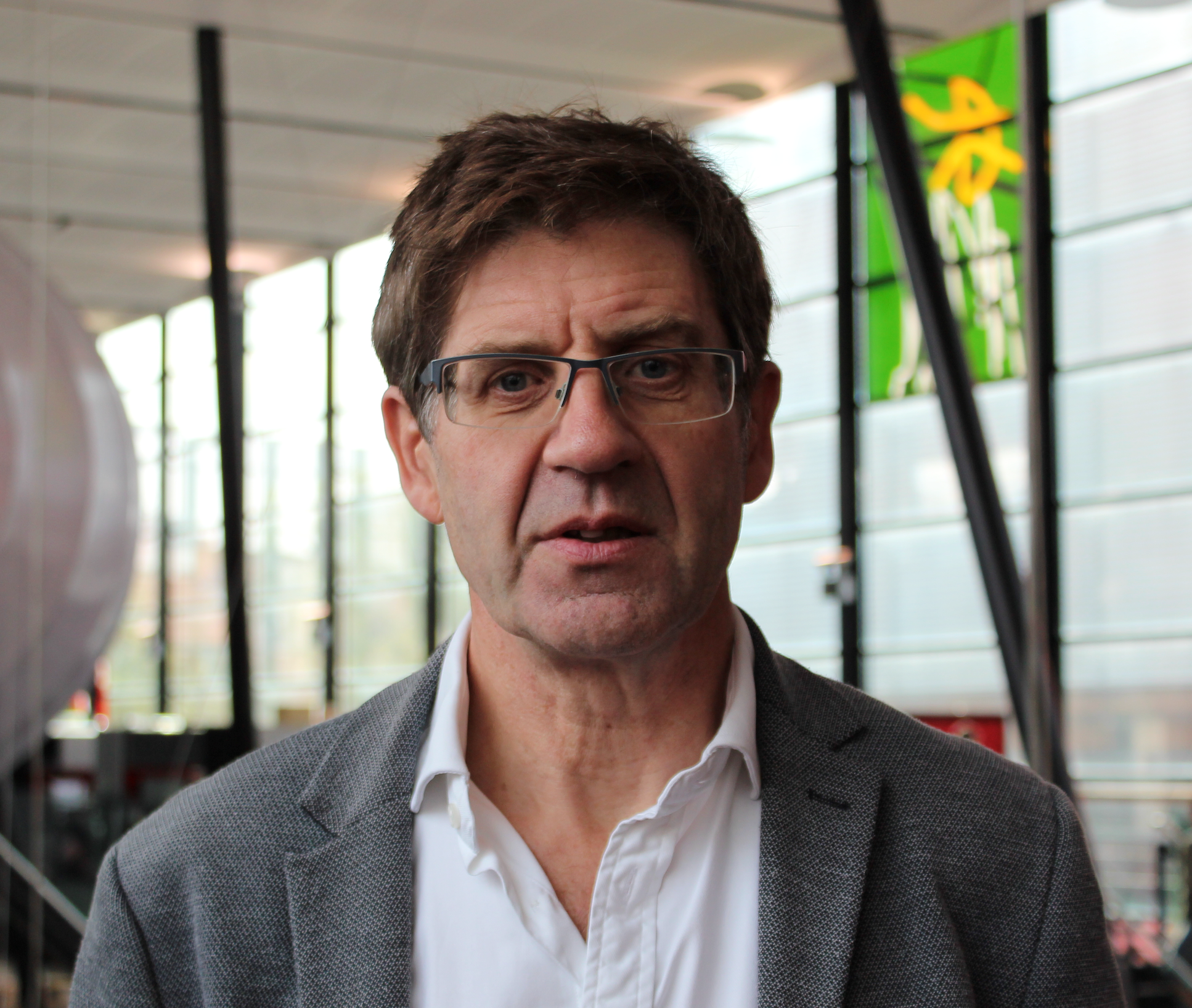
Chris Griffiths
University of TorontoChris Griffiths is Professor of Primary Care at the Nuffield Department of Primary Health Care Sciences at the University of Oxford, and Queen Mary University of London. He is Co-Director of the Centre for Respiratory Research Innovation and Impact.
Chris is a primary care physician with an interest in respiratory health, in particular health impacts of air pollution. He leads the CHILL cohort evaluating the impacts of London’s Ultra Low Emission Zone and is chief investigator of the HEI-funded IONA study, evaluating impacts of non-tailpipe emissions on adults with asthma.
With Greg Evans (Toronto) and Ian Mudway (London) he leads NEXUS: a new international transdisciplinary partnership addressing health impacts of non-tailpipe pollution.
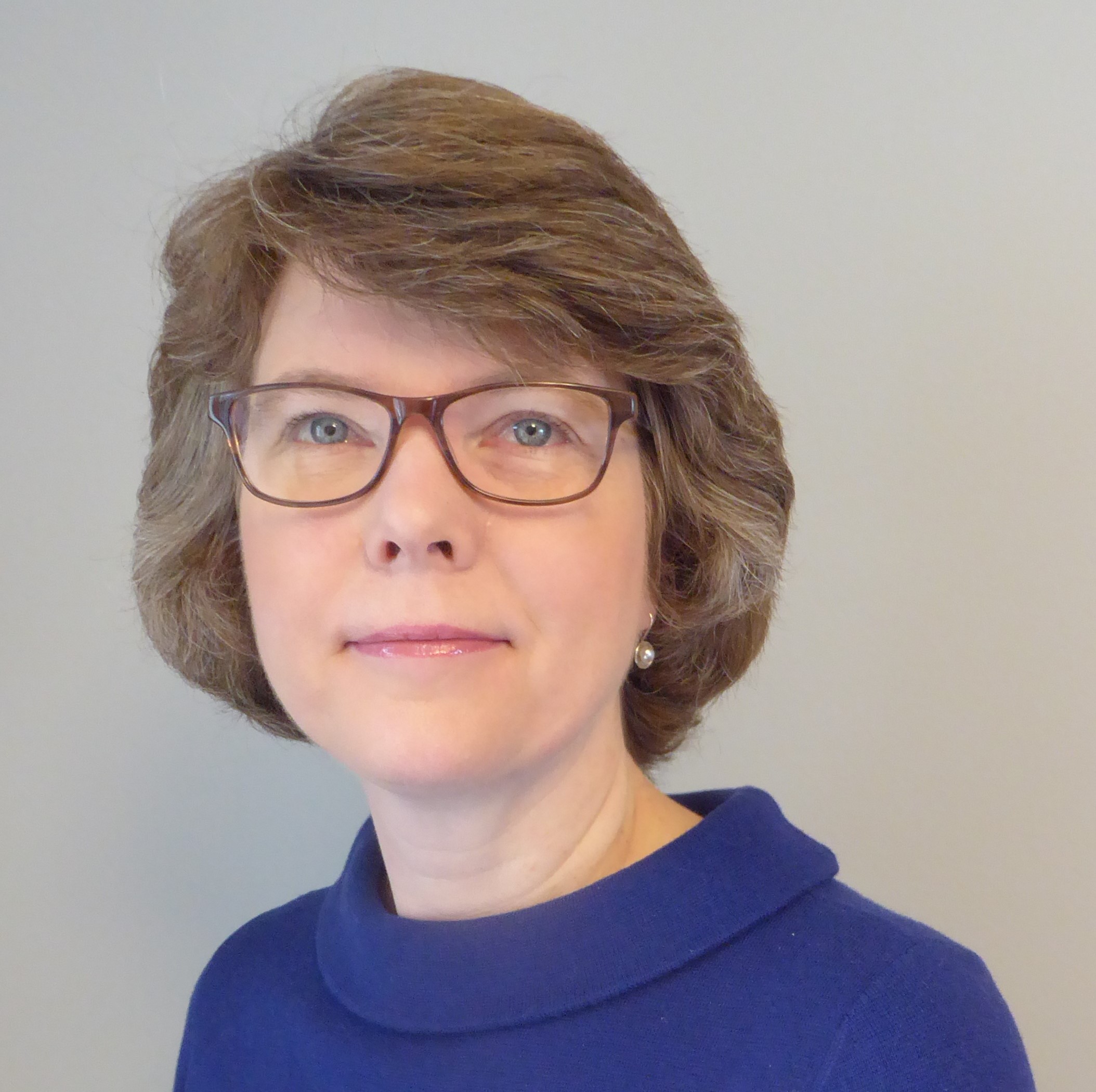
Ellen Mantus
Director of Science, HEIDr. Ellen K. Mantus is the Director of Science at the Health Effects Institute (HEI). She oversees the Environment and Health program that primarily focuses on the relationship between air pollution exposures and health. In that role, she works with the Research and Review Committees and HEI staff to identify important research topics, develop research proposals, review research applications, oversee funded research, and review investigator reports. Previously, she was a Scholar and Director of the Chemical Sciences Roundtable on the Board on Chemical Sciences and Technology of the National Academies of Sciences, Engineering, and Medicine (National Academies) where she served as the study director on more than 20 National Academies studies. As a study director, she worked closely with diverse National Academies committees to assess the underlying science and ensure successful completion of the committee reports. In recognition of her achievements at the National Academies, she was awarded the National Academies Distinguished Service Award in 2008.

Elena Craft
President, Health Effects InstituteDr. Elena Craft is President of the Health Effects Institute (HEI), an independent research organization dedicated to advancing high-quality, impartial science on the health effects of air pollution. With a deep background in environmental health and toxicology, Dr. Craft leads HEI’s strategic efforts to inform air quality policy through evidence-based research — including critical work on emissions from transportation sources such as cars, trucks, and non-road engines. Under her leadership, HEI provides globally relevant science to guide public and private sector decisions in both developed and developing countries. Dr. Craft holds academic appointments at the University of Texas Health Science Center and Texas A&M University and is a Kinder Fellow at Rice University. She earned her Ph.D. from Duke University, a M.S. in toxicology from North Carolina State University, and a B.S. in biology from the University of North Carolina at Chapel Hill. She is also a Fellow of the Collegium Ramazzini.
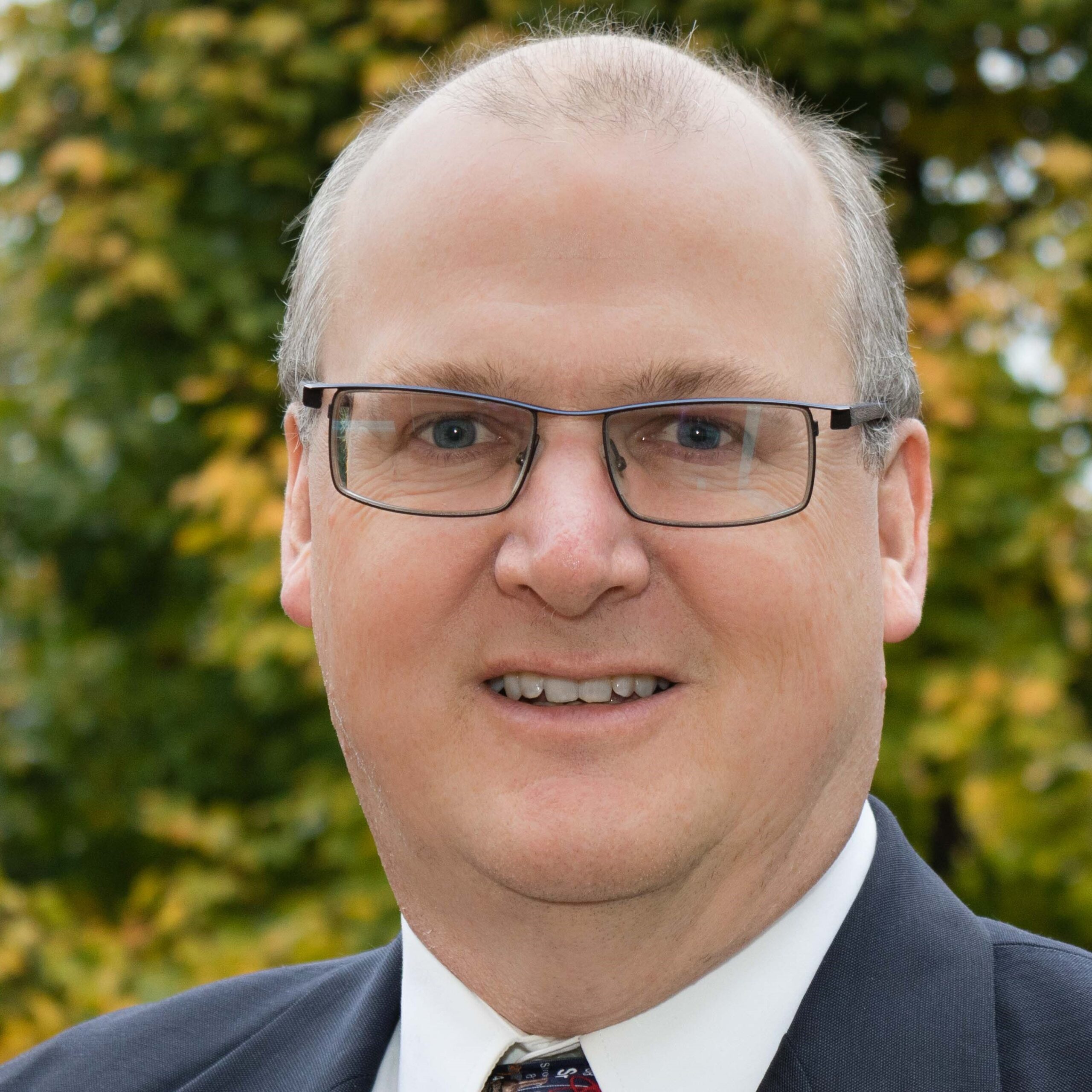
Greg Evans
Southern Ontario Centre for Atmospheric Aerosol ResearchGreg Evans, P.Eng., Ph.D., FAAAS, FCAE, FCEEA is a Professor of Chemical Engineering and Applied Chemistry and the Director of the Southern Ontario Centre for Atmospheric Aerosol Research. His research examines the impacts of air pollution on the environment, climate and human health. He is also the founding Director of the Institute for Studies of Transdisciplinary Engineering Education and Practice, a new Department that focusses on the instruction, scholarship, and applications or engineering communication, leadership, entrepreneurship, and sociotechnical thinking.
Prof. Evans has received numerous recognitions for his contributions through research including the 2021 NSERC Brockhouse Canada Prize for Interdisciplinary Research and the 2022 CIC Environment Division Research and Development Dima Award. He is also a 3M National Teaching Fellow, member of the UofT President’s Teaching Academy, and has received numerous other recognitions for his excellence in teaching including the Engineers Canada Medal for Distinction in Engineering Education and the Ontario Colleges and Universities Faculty Association Teaching Award.
He is currently executing a study of non-tailpipe emissions from vehicle brakes and tires funded by the US Health Effects Institute and pursuing research relating to aircraft emissions, air quality on public transit, and the health impacts of wildfires.
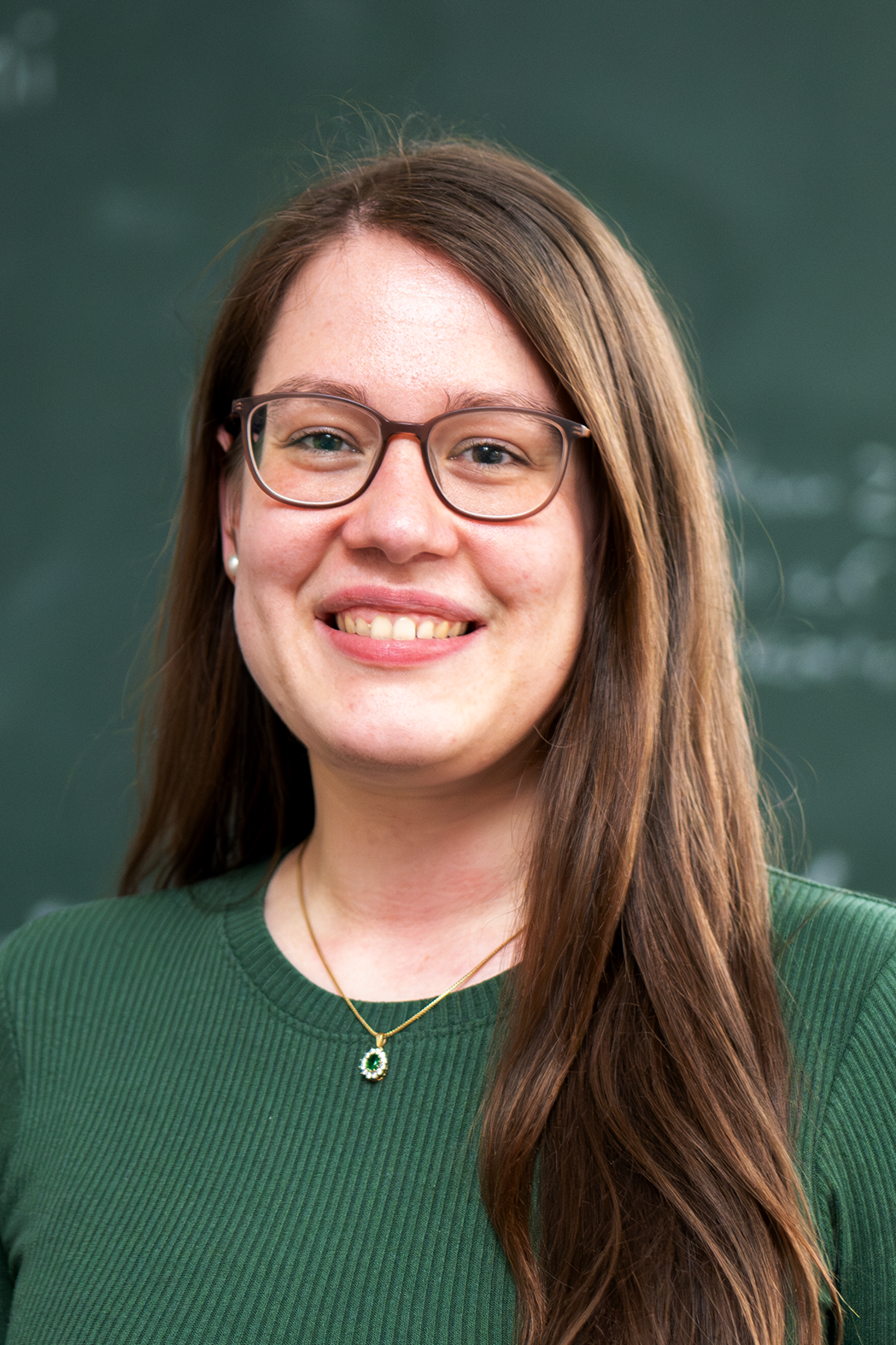
Kathrin Müller
Hochschule Fresenius University of Applied Sciences in Idstein, Germany and Learn More
Kathrin Müller
Hochschule Fresenius University of Applied Sciences in Idstein, Germany andKathrin Müller received her Bachelor of Science degree in Applied Chemistry in 2018 and her Master of Science degree in Bioanalytical Chemistry and Pharmaceutical Analysis in 2019 at Hochschule Fresenius University of Applied Sciences in Idstein, Germany. During her studies she worked at SGS Institut Fresenius in Taunusstein, Germany and after her master studies, she started working at the Institute for Analytical Research (IFAR) in Idstein, Germany. Since, 2020 she is a PhD student at Hochschule Fresenius University of Applied Sciences in Idstein, Germany and her research focuses on environmental and analytical chemistry in the context of tire wear emissions.
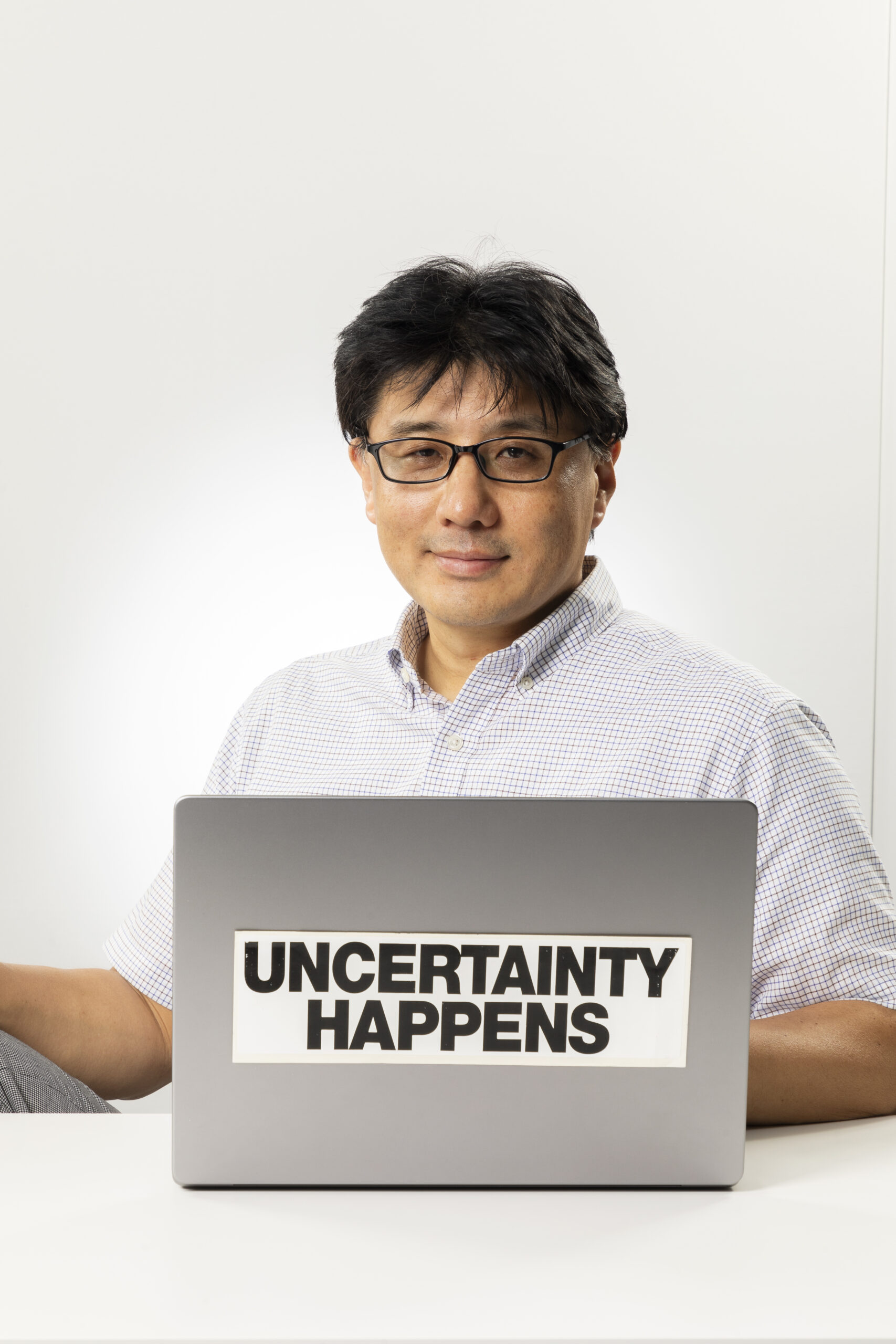
Wataru Naito
National Institute of Advanced Industrial Science and TechnologyDr. Wataru Naito is currently a team leader of Integrated Research Center for Nature Positive Technology at National Institute of Advanced Industrial Science and Technology (AIST), Japan. Currently, his research activities include developing methods for obtaining missing data for environmental risk assessment/management and promoting pragmatic risk assessment for contaminants of emerging concern (CECs) such as microplastics. He has served on a variety of expert advisory committees related environmental risk-related issues for central and local governments and been a member the Working Party on Exposure Assessment (WPEA) in OECD since the noughties. Dr. Naito received a BS in Environmental Science from Virginia Polytechnic Institute and State University (Virginia Tech), a MA and PhD in Materials Science and Chemical Engineering from Yokohama National University.

Kosuke Tanaka
National Institute for Environmental StudiesKosuke Tanaka is a researcher at the National Institute for Environmental Studies (NIES), Japan. His research focuses on micro- and nanoplastic pollution, including the quantitative analysis and investigation of their environmental behavior.
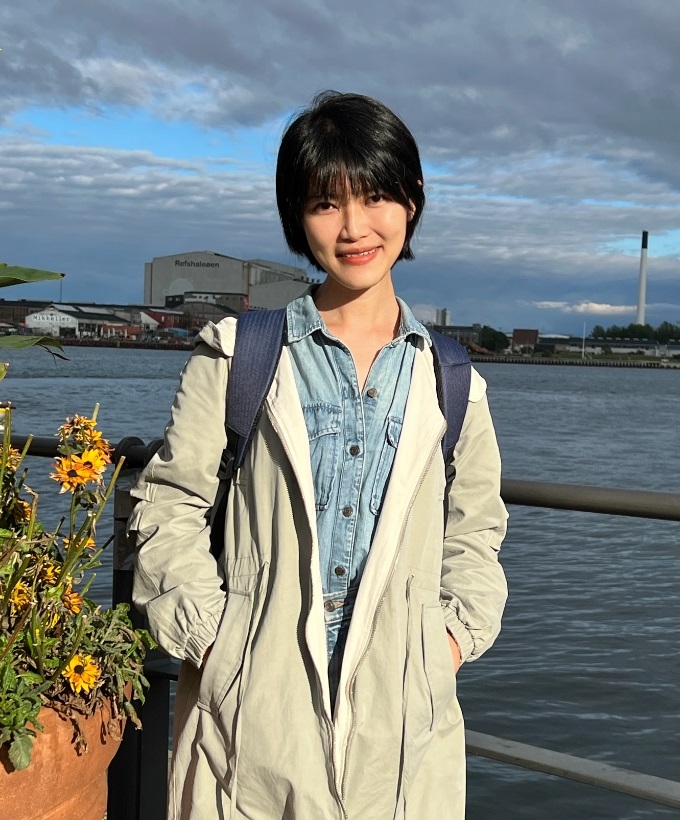
Meibo He
National University of SingaporeDr Meibo He is a Research Fellow at the National University of Singapore. Her research lies at the interface of water science, environmental analytical chemistry, emerging contaminants, circular economy, and sustainable infrastructure. She has worked on the monitoring, identification, and environmental assessment of contaminants of emerging concern, including micro-/nano-plastics and traffic-derived pollutants such as tire and road wear particles. Her work combines advanced analytical techniques, machine learning, and environmental occurrence studies to better understand the sources, pathways, and potential impacts of contaminants in urban environments.
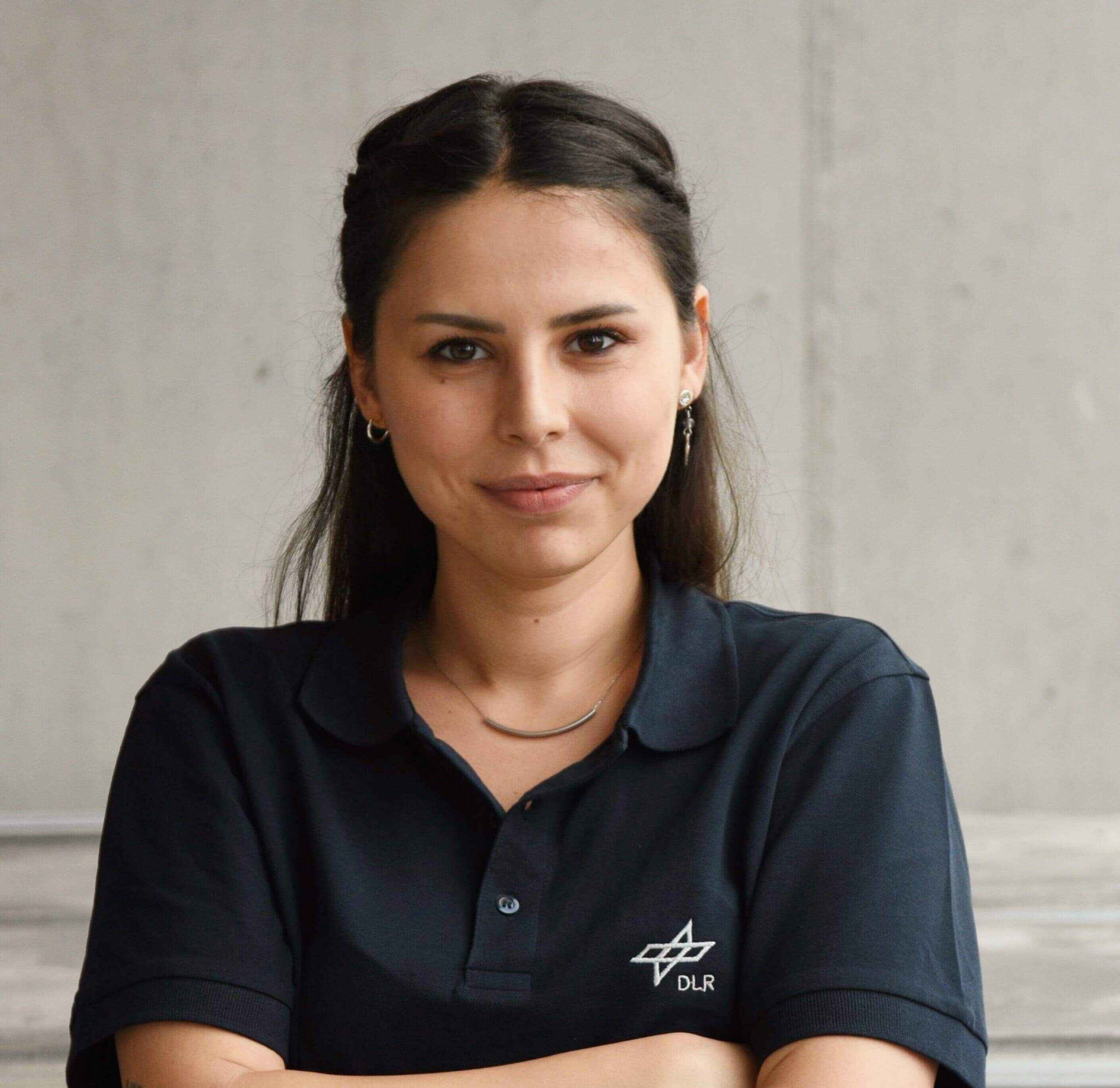
Melis Seren Çelenlioglu
German Aerospace Center, University of MilanoDr. Seren Celenlioglu is a scientist at German Aerospace Center (DLR), working on non-exhaust emissions with a particular focus on tire and road wear particle emissions. She completed her PhD in Environmental Physics at the University of Milan within a large industry experience, focusing on experimental approaches for the measurement and characterization of airborne tire emissions across different testing environments.
Her work addresses key methodological challenges in tire emission research, including sampling system design, data quality assessment, and physical and chemical characterization. She has been involved in national and international collaborations on non-exhaust emission measurement, combining laboratory and on-vehicle testing approaches. Her research aims to support the development of comparable methodologies and broader characterization techniques for non-exhaust emission assessments.
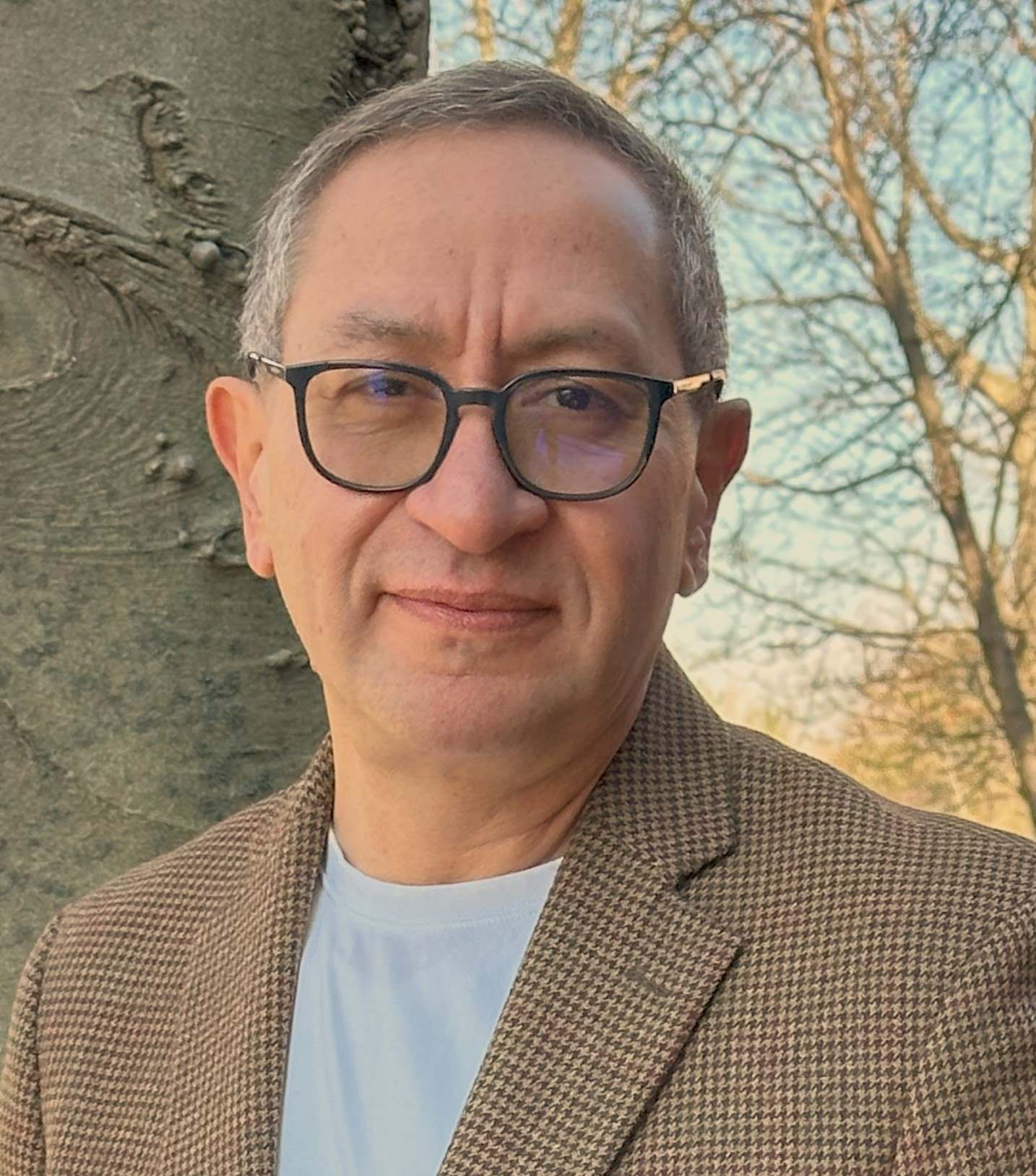
Carlos Agudelo
Link Engineering Co.Carlos is the Director of Applications Engineering for LINK. He develops new features and systems based on data and experimentation, emphasizing non-exhaust emissions and Hardware-in-the-Loop. Carlos obtained his bachelor’s degree in Production Engineering from EAFIT University-Colombia (in association with Aachen University and Ruhr University Bochum) and a Six Sigma Black Belt certification.
He is active on several committees related to braking systems for onroad and railway, and on UNECE task forces for non-exhaust brake emissions and tire abrasion. Carlos is the LINK liaison to the California Air Resources Board and the U.S. EPA.
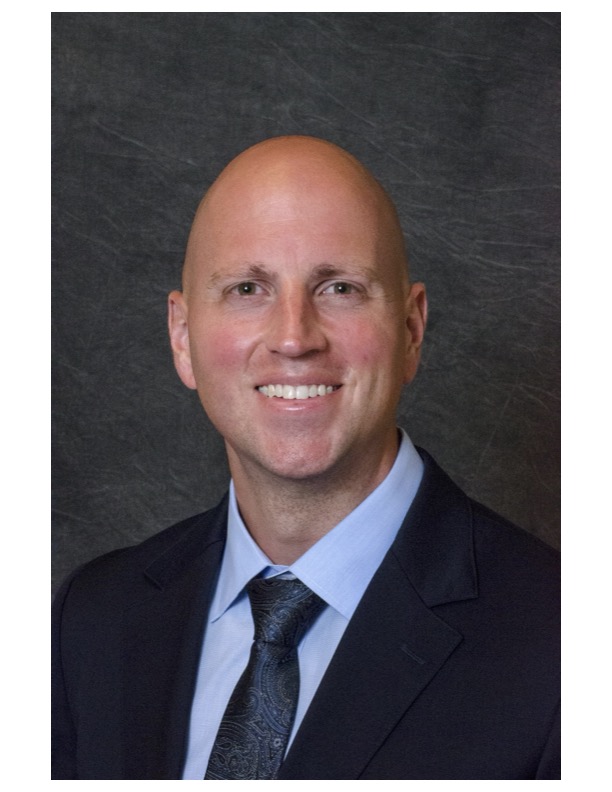
Aaron Specht
Purdue UniversityDr. Aaron Specht is an Assistant Professor in the School of Health Sciences. He received his B.S. from Purdue in Honors Physics and Ph.D. from Purdue in Medical and Health Physics. He completed postdoctoral training at the Harvard T.H. Chan School of Public Health where he remains active as part of their Trace Metals Laboratory utilizing his x-ray fluorescence devices. His research focuses on the development, application, and understanding of exposure assessment for elemental and radiation exposures in environmental and occupational health studies. He has developed instrumentation capable of in-field or in-lab measures that utilize a non-destructive, non-invasive, and cost-effective elemental quantification method using x-ray fluorescence. This includes everything from measuring nail, bone, or blood to determine exposure to a human or in animal studies to measuring soil, ash, or air filters to determine ongoing exposures at particular sites. He has many interesting collaborative projects ranging from typical studies in hospital settings around the globe to measuring condors on the cliffs of the Grand Canyon. Feel free to email him with any questions, lab opportunities, or collaborative efforts.
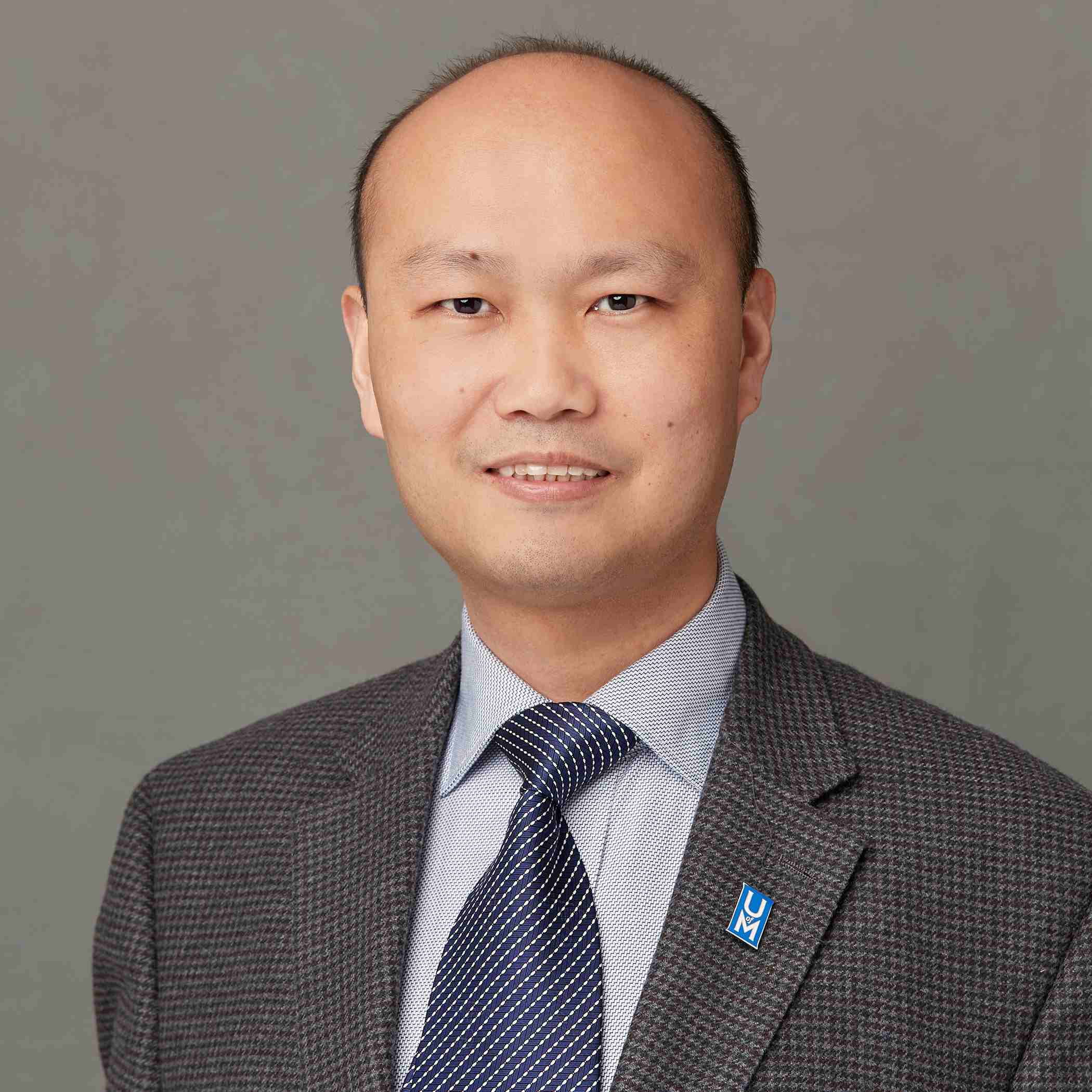
Chunrong Jia
University of MemphisDr. Chunrong Jia is a professor of environmental health at the School of Public Health, the University of Memphis, Memphis, Tennessee, USA. His research interests include air pollution and human health, healthy homes, and environmental sampling and analysis techniques. He now leads the Tennessee Office for EPA’s Region 4 Thriving Communities Technical Assistance Center (TCTAC).

Salahuddin Setu
AIRFlowS Lab, Virginia TechSalahuddin Setu joined the AIRFlowS Lab at Virginia Tech in 2024 as a Ph.D. student in the department of Civil and Environmental Engineering. He received his B.S. in Civil Engineering from the Bangladesh University of Engineering and Technology (BUET), Bangladesh. Currently, his research is centered on the multiscale dynamic assessment of airborne microplastic emissions from tire wear particles. As part of this work, he aims to develop a comprehensive airborne tire wear emission inventory and subsequently construct a city-scale model to evaluate tire-related particulate emissions.
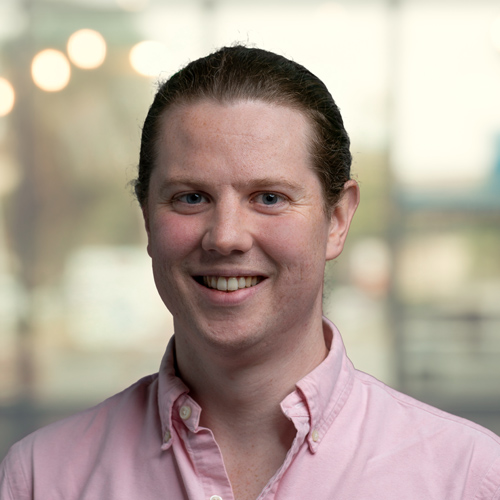
Luke Parker
TNODr Luke Parker is a Senior Scientist at TNO, the Dutch Institute for Applied Natural Sciences Research. He did his PhD at Cardiff University in the group of Prof. Graham Hutchings investigating the design of novel nanoalloy catalysts for hydrogen production through ammonia decomposition. Afterwards he moved to Utrecht University and the group of Prof. Bert Weckhuysen where he worked as a postdoc focusing on on nanomaterial synthesis and characterization using micro-spectroscopic methods such as electron microscopy and confocal fluorescence microscopy. In August 2021, he moved to TNO where he currently leads research into microplastics with the aims of improving measurement and detection techniques, understanding their formation and developing mitigation strategies.
Kyoshiro Hiki
The University of TokyoDr. Kyoshiro Hiki is a lecturer at the University of Tokyo. He received his PhD from the University of Tokyo in 2016 and subsequently worked at the National Institute for Environmental Studies as a postdoctoral fellow and senior researcher. His research interests include ecotoxicology and ecological risk assessment, with a focus on sediment contamination, urban runoff, and the application of molecular technologies. Following his master’s work, he has evaluated the toxicity of road dust and road runoff-related chemicals on aquatic and benthic organisms. Since the discovery of 6PPD-quinone as the causative agent for acute die-offs of coho salmon, he has further investigated the toxicity of 6PPD, 6PPD-quinone, and related chemicals to aquatic organisms, while also pursuing the underlying mechanisms of 6PPD-quinone toxicity.
Kei Nakayama
Ehime UniversityKei Nakayama is currently an Assistant Professor at the Center for Marine Environmental Studies (CMES), Ehime University, Japan.
Dr. Nakayama received his Ph.D. in Agriculture from Kyushu University in 2003.
Before joining Ehime University in 2006, he worked as a research fellow at the City University of Hong Kong from 2005 to 2006, and as a postdoc at CMES, Ehime University from 2003 to 2005.
He specializes in environmental toxicology and has published extensively on the toxicity assessment of chemical substances in fish. Recently, he has been particularly interested in the effects of microplastics, including tire particles, on fish, with a focus on immunotoxicity and hematotoxicity.
Thorsten Reemtsma
Helmholtz Centre - UFZProf. Thorsten Reemtsma is a chemist and Head of the Department of Environmental Analytical Chemistry at the UFZ in Leipzig. He is also Professor of Analytical Chemistry at the University of Leipzig. His research focuses on the development of analytical techniques for trace contaminants in water, soils and biota, on tracking trace substances in natural and technical systems and on understanding transformation processes. Thorsten Reemtsma is currently Chair of the Division of Environmental Chemistry and Ecotoxicology at the Gesellschaft Deutscher Chemiker – the German Chemical Society (GDCh) and Member of the Board of the German Water Chemistry Society.
Sefine Oksal Kilinc
Humboldt-Universität zu BerlinSefine Oksal Kilinc is a PhD candidate in Ecology and Ecotoxicology at Humboldt-Universität zu Berlin, specializing in environmental risk assessment. Her research explores the effects of aged tire abrasion on terrestrial ecosystems, utilizing C. elegans as a model organism, while also investigating chemical leaching and its interactions with soil and biological systems. With an academic foundation that includes a B.Sc. in Life Sciences with a specialization in Ecology and an M.Sc. in Organismic Biology and Evolution, she has contributed to studies on microplastic contamination, pollutant adsorption, and chemical leaching. She has held roles as a lecturer, guest researcher, and project assistant across Berlin, Vienna, Turkey, and Potsdam, including work in water purification research and collaborations with multiple universities and research institutions across Germany. As an Avicenna fellow, she continues to advance environmental research, integrating her expertise in research management and communication to support sustainability and ecological safety.
Kate Rowley
University of BirminghamKate Rowley is a final-year PhD student at the University of Birmingham, United Kingdom, funded by the NERC CENTA Doctoral Training Partnership. Her research focuses on developing novel methods for the analysis and quantification of tyre particles from environmental samples, as well as understanding their transport via atmospheric deposition in the urban environment. Kate has been BRIDGE-funded to support collaborative work with the University of Illinois Urbana-Champaign, USA, where she conducted her laboratory and pyrolysis GC-MS research at the Illinois Sustainable Technology Centre. Her presentation at the Tyre Emissions Research Conference will focus on the three main research papers from her PhD.
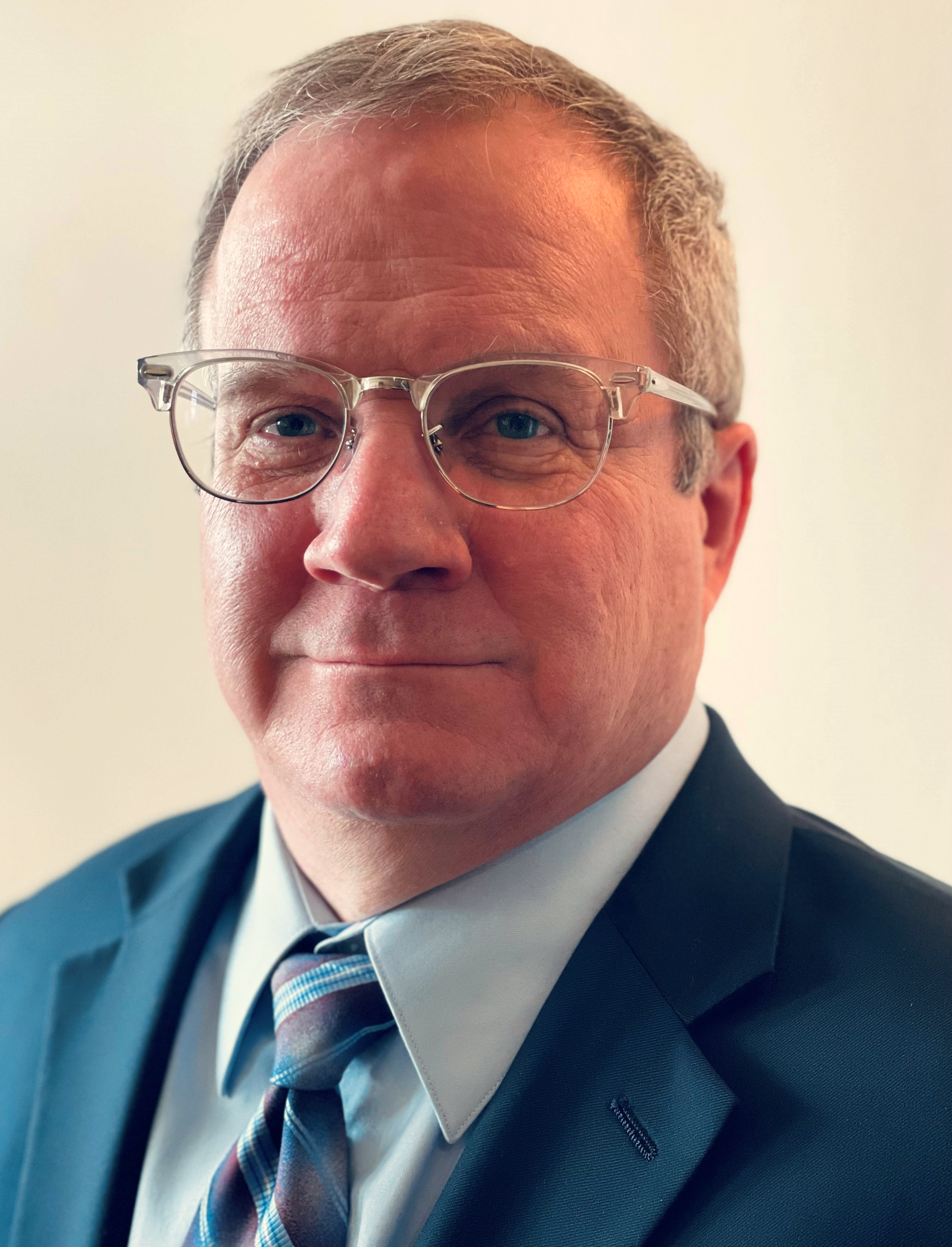
Timothy R. Barber
ERMDr. Tim Barber is a Technical Director with over 30 years of experience in environmental chemistry, fate and transport modeling, and risk assessment. He is a leading researcher in the characterization of tire and road wear particles (TRWP) in the environment. As Study Director for the World Business Council for Sustainable Development’s Tire Industry Project, Dr. Barber has led multi-year investigations to quantify TRWP in surface water, sediment, road dust, soil, and stormwater across global sites including the Seine River, Osaka Bay, and Baltimore, Maryland. His work focuses on developing and refining analytical methods for detecting natural and synthetic rubber particles using pyrolysis-GC/MS and particulate zinc analysis. Dr. Barber’s research provides critical data on the environmental occurrence and behavior of TRWP, supporting global efforts to assess potential risks and informing mitigation strategies. He regularly publishes and presents his findings in peer-reviewed journals and at international scientific conferences.
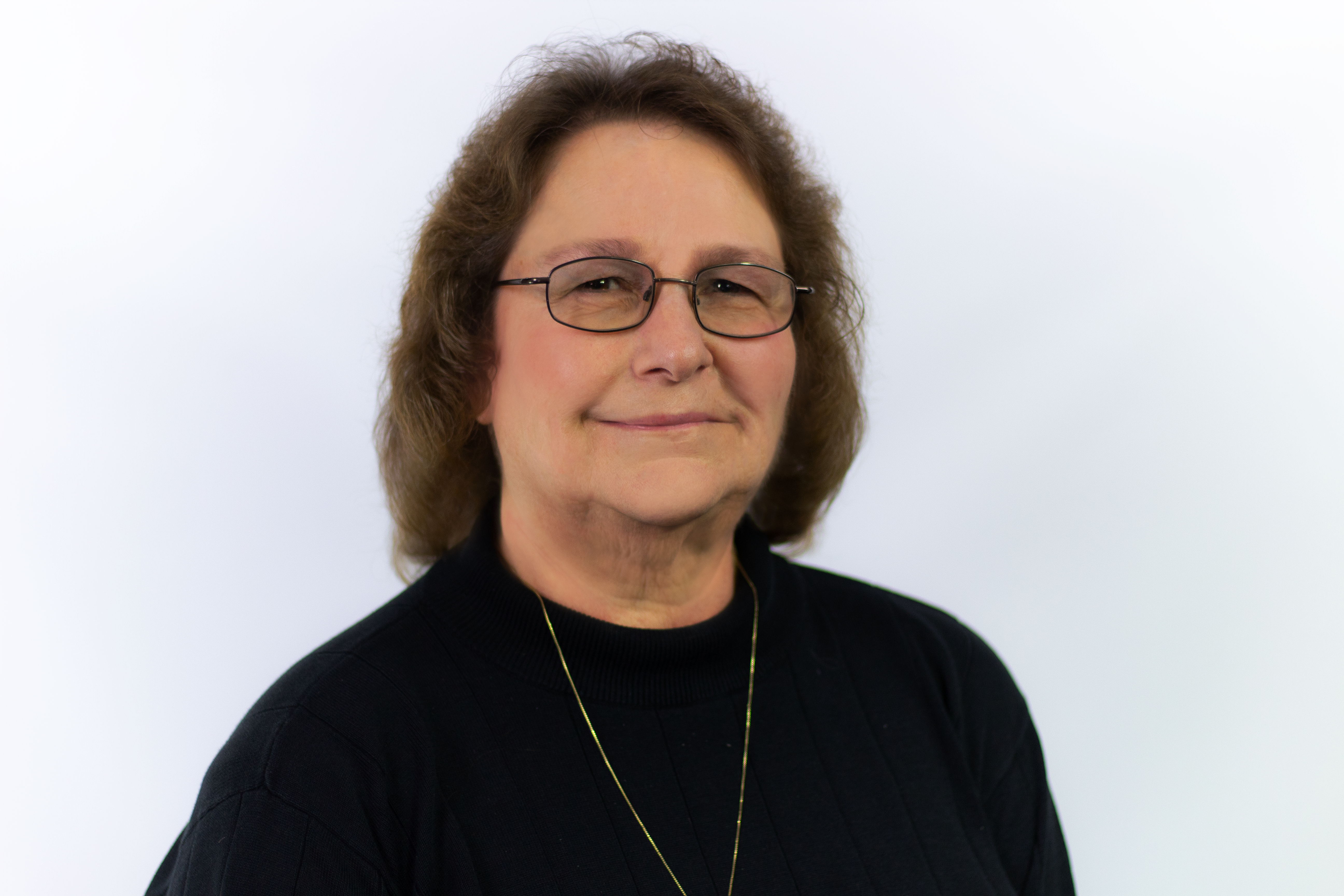
Bonnie Stuck
Akron Rubber Development LaboratoryBonnie Stuck has a B.A. in Chemistry from Capital University of Columbus, Ohio. She has 48 years of experience in the rubber and plastics industries. She is currently President Emeritus of Akron Rubber Development Laboratory. She served 7 years as President/Senior Technical Advisor. Her tire related experience includes time at B.F.Goodrich, Uniroyal Goodrich, Bridgestone Firestone, Kumho, and Continental/General Tire. She has worked on all of the rubber components in tires with a concentration in tread compounding. Her tire experience also includes work in tire textiles; nylon, polyester, steal cord, aramid and fiberglass. She has worked on passenger, high performance, racing, OTR, truck and airplane tires (space shuttle). She has continued her work with tire related materials at Akron Rubber Development Laboratory. She also worked as Technical Director for Sovereign Chemical and as Senior Vice President of Technical/Operations of Chem Technologies. She has published numerous technical papers, has given lectures on rubber compounding and testing at Capital University, the University of Michigan, the University of Akron and for the Rubber Division of American Chemical Society. She is holder of four patents. Bonnie, lives near Hartville, Ohio with her husband, Richard Stuck and her black lab, Mollie. She has two grown married children and four grandchildren who live nearby. Her hobbies include playing the trumpet, the piano and traveling.
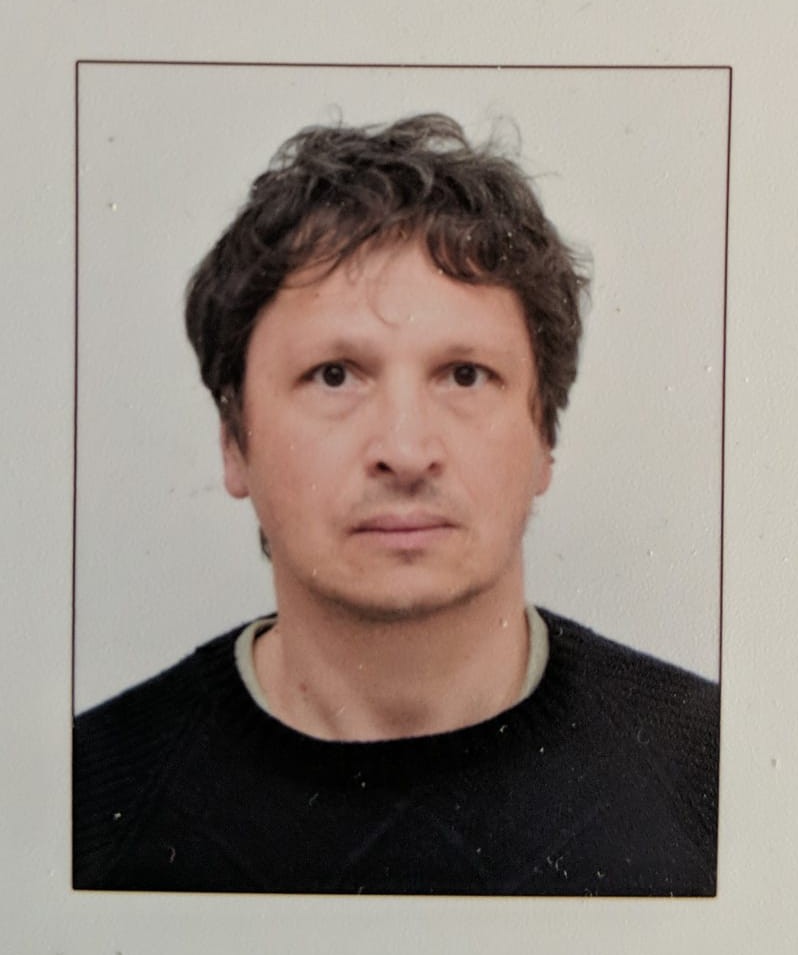
Bogdan Muresan
Gustave Eiffel UniversityBogdan Muresan is associate professor at the Gustave Eiffel University (Environment Planning, Safety et Eco-design – laboratory) specializing in non-exhaust emissions and their environmental fate. Trained as a biogeochemist, his research aims to anticipate and reduce the ecosystem and health effects of unregulated pollutant emissions from the transport sector. To do this, he investigated several research fields (biogeochemistry, ecotoxicology, tribology, civil engineering) and environmental compartments (soil, water, atmosphere, living organisms). The data obtained describe the mechanisms of complexity and the chains of processes that link pollutant emissions to effects. Another important aspect of his research is the development of non-exhaust emission reduction strategies and tools through collaborations with academic organizations and socio-economic actors: including on-road emission measuring platforms, low-cost sensors, laboratory-scale analytical methodologies, etc. Bogdan Muresan has co-authored over 40 international articles, supervised 10 diploma theses and 13 master’s or engineering equivalent internships, and participated in 25 national and 3 international projects.

Ani Jayakaran
Washington State UniversityDr. Ani Jayakaran is a professor and extension specialist with Washington State University and an affiliate faculty member of the Department of Biological Systems Engineering and the School of the Environment. He leads the Green Stormwater Infrastructure Lab at WSU’s Puyallup Research and Extension Center. Ani provides extension and research strategies to manage water resources using GSI principles and improve current engineering designs through applied research.
John Warner
The Technology Greenhouse, Massachussets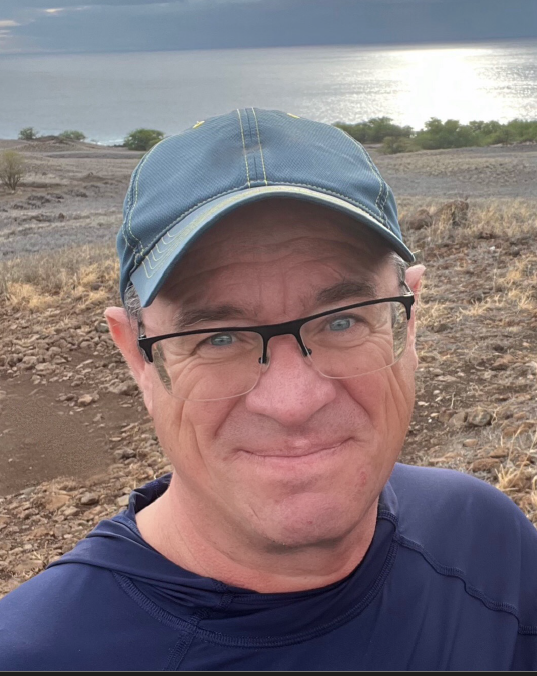
Nat Scholz
National Oceanic and Atmospheric Administration, USANat Scholz is a marine conservation biologist. His graduate training spanned Boston University’s marine program in Woods Hole (masters) and marine zoology at the University of Washington (doctoral), followed by a postdoctoral position with the National Academy of Sciences (National Research Council). In 1999, he joined NOAA’s Northwest Fisheries Science Center in Seattle, becoming the lead for the Ecotoxicology Program in 2004. For the past 25 years, he has spearheaded the Center’s research on urban stormwater threats to Pacific salmon conservation. This includes extensive field, laboratory, and modeling investigations into a severe mortality syndrome affecting coho salmon in restored urban streams. These different lines of evidence laid the groundwork for the eventual discovery of 6PPD-quinone as the cause of the syndrome. He has also published widely on pollution threats to coastal, estuarine, and open-ocean habitats. He retired from federal service in May of 2025.
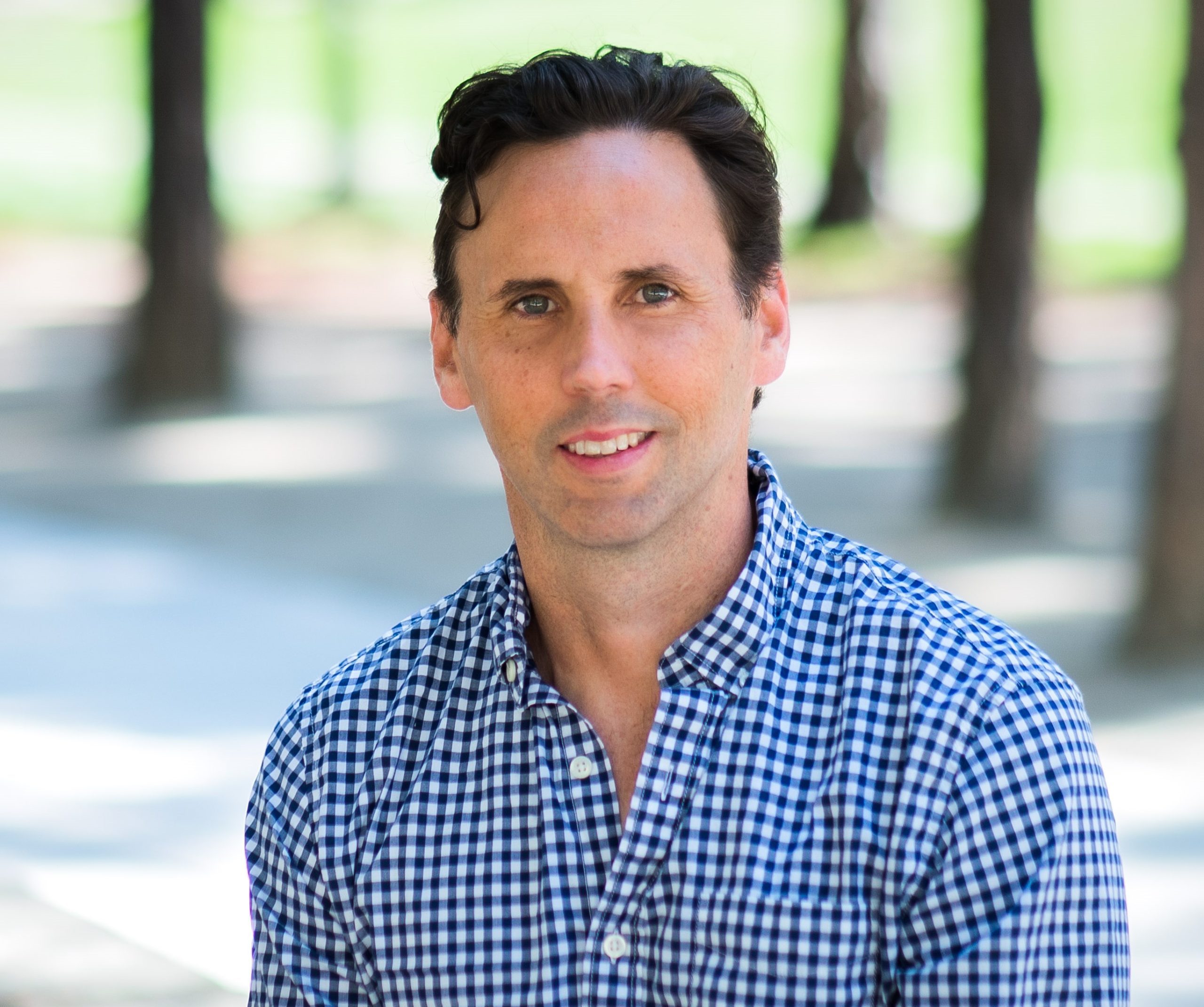
Nicholas Chartres
University of SydneyDr. Nicholas Chartres is a Senior Research Fellow at The University of Sydney where he studies the commercial determinants of health, focusing on chemicals, nutrition and public health. He recently launched the Center to End Corporate Harm at the University of California, San Francisco. Nicholas is a research methodologist specializing in the conduct of environmental health and nutrition systematic reviews. He works with national and international organizations and agencies, including the World Health Organization, to conduct reviews of the evidence and develop guidelines using empirically based methods to ensure improved consistency, greater transparency, and reduced bias when evaluating the scientific evidence and formulating recommendations.
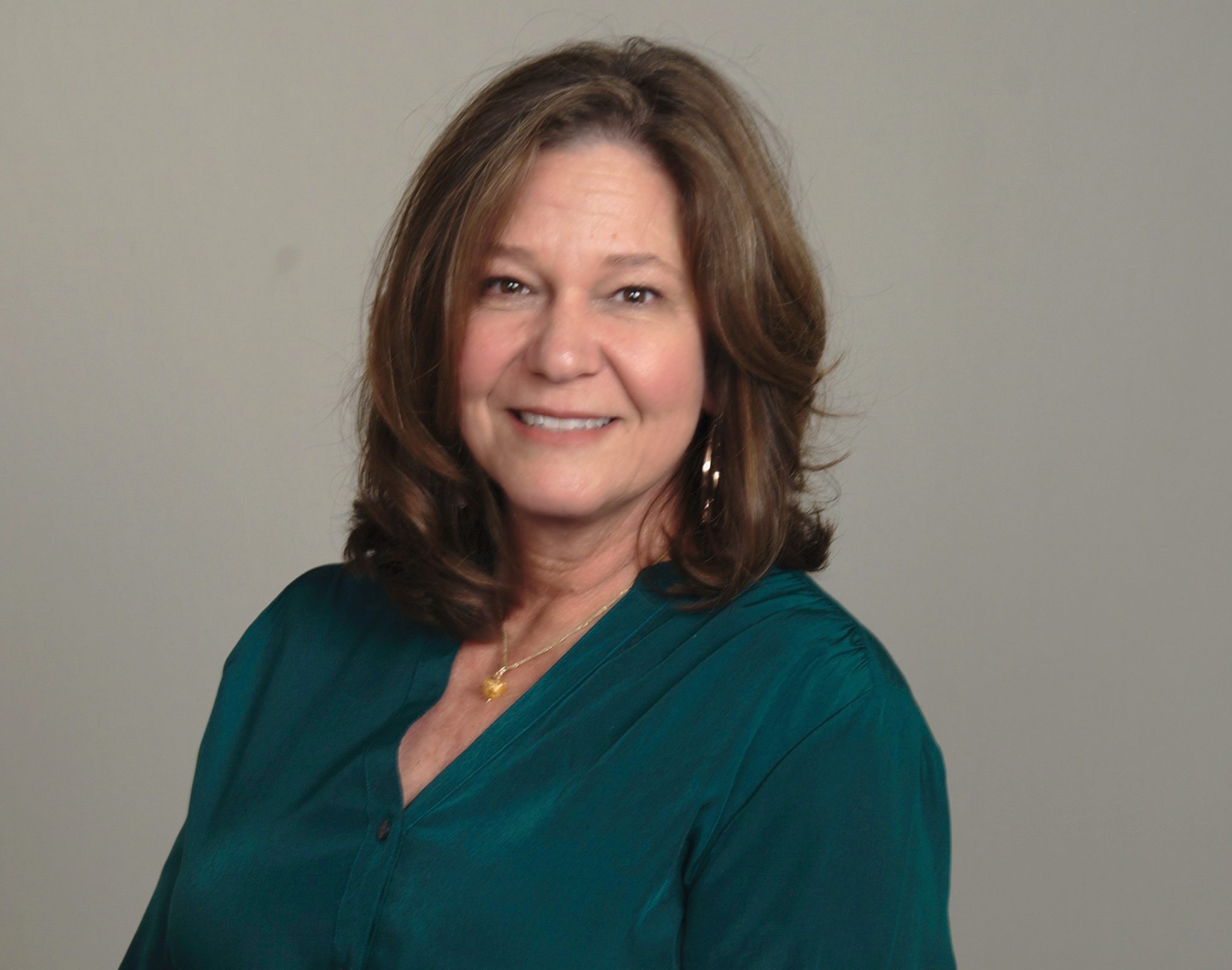
Julie Panko
Tox StrategiesMs. Panko is a Principal Scientist and Senior Vice President at the consulting firm ToxStrategies where she leads the Exposure Sciences Practice. Shas more than 35 years of experience conducting and managing a wide variety of occupational, environmental, and consumer health risk assessments and is a Certified Industrial Hygienist (CIH). In her Practice, Ms. Panko leads teams that are focused on evaluating chemical risks from industrial, commercial, and consumer products across their lifecycles, both within the context of various regulatory programs and voluntary initiatives. During her career, Ms. Panko has investigated the potential for human and ecological health risks associated with non-exhaust emissions, in particular tire and road wear particles.
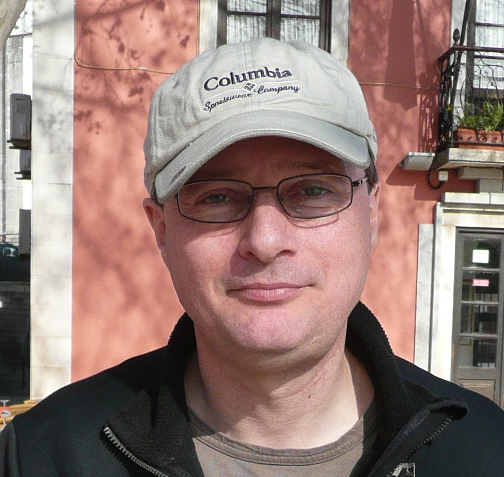
Jes Vollertsen
Aalborg UniversityJes Vollertsen is a Professor of Environmental Engineering at Aalborg University, Denmark. His background is biological and chemical processes and pollutants in urban technical waters, mainly stormwater treatment systems and sewer systems. His research focus is on anthropogenic pollution where he the later years has worked on microplastics, here among tire wear particles. The work targets all types of matrixes, e.g. water, wastewater, sludge, biosolids, sediments, soil, biota, food, air, etcetera. His goal is to quantify sources and occurrence of environmental microplastics and address the processes behind mitigation technologies. He addresses aspects of the physical, chemical, and biological breakdown of microplastics in the environment.
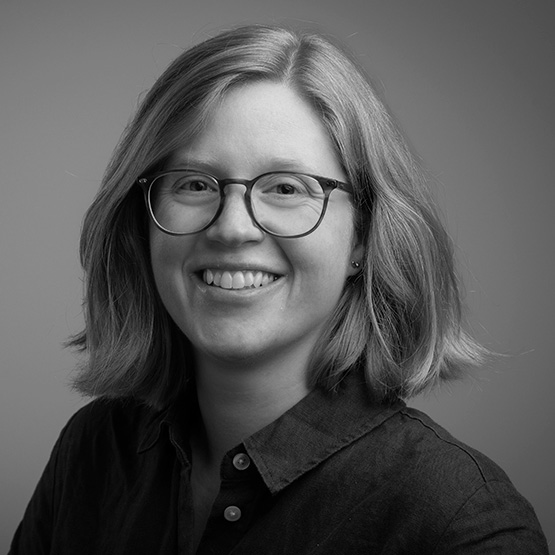
Elisabeth Støhle Rødland
Researcher at the Norwegian Institute for Water Research (NIVA)Dr. Rødland is researcher at the Norwegian Institute for Water Research (NIVA). Dr. Rødland is a marine biologist (MSc) and environmental chemist (PhD), and has been working on road-related pollution topics for more than 12 years. She has a 7 year background from the Norwegian Public Roads Administration, before doing her PhD work on the analysis of tire-road wear particles using PYR-GC/MS at NIVA and the Norwegian University of Life Sciences (NMBU). Dr. Rødland’s current research focuses the occurrence and fate of tire-road wear particles and related chemicals in the environment, including method improvements for identification and quantification, and evaluating different treatment options for road and tunnel runoff.